Ask nearly any exec at a rival phone maker and they’ll tell you the same thing: Apple entering foldables changes everything. The leaks piling up this spring paint the picture of a device that’s not just another Fold — it’s an Apple-shaped rethink of what a folding phone can be: unusually wide, remarkably thin and engineered around one obsessional goal — make the crease disappear.
What the rumor mill says (so far)
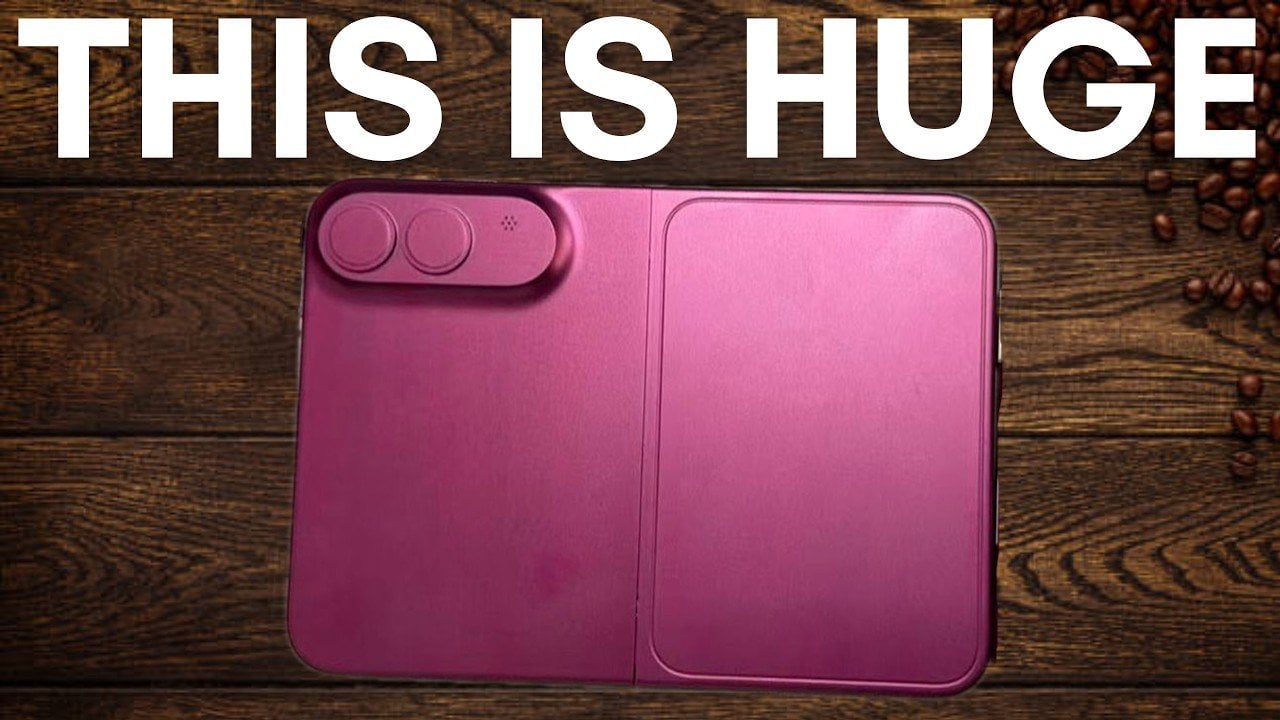
The device most pundits now call the iPhone Ultra is said to open like a passport into a tablet-like 7.7–7.8‑inch internal OLED with a 4:3 aspect ratio, and close down to an outer display roughly 5.3–5.5 inches. When unfolded it’s being described as astonishingly svelte — around 4.5 mm — swelling to roughly 9–9.5 mm when folded.
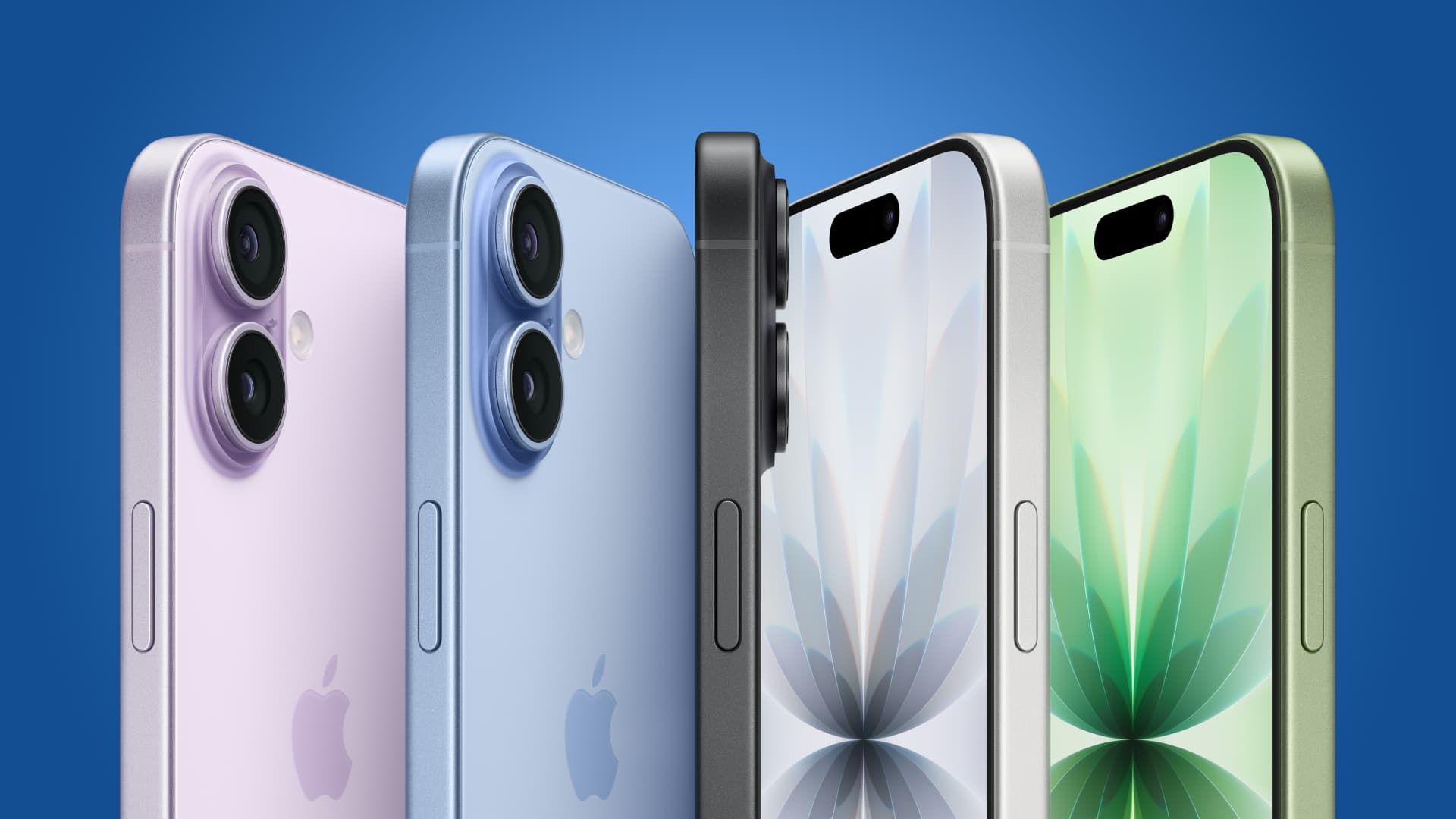
Under the hood, expectations are textbook Apple: an A20-class chip (the same generation that will power next‑year’s iPhone family), possibly 12GB of RAM, a large battery in the 5,000–5,500mAh range, and a camera stack that favors wide and ultrawide sensors (dual 48MP rear cameras are the leading rumor) rather than shoehorning in a telephoto. Face ID may be sacrificed for a side‑button Touch ID sensor to preserve the thin profile.
Price whispers are headline‑grabbing: analysts and supply‑chain leaks put a starting tag near $1,999 in the US, climbing toward $2,399 for higher capacities. That puts Apple squarely in the ultra‑premium bracket for its first foldable.
Engineering: hinge, glass and the secret sauce
Apple’s engineering attention is loudest around the folding mechanism and the crease. Multiple reports point to a book‑style (vertical) fold with a sophisticated hinge — candidates include a titanium alloy or even LiquidMetal elements — and patents suggest layered metal plates and stress‑control techniques to flatten the bending axis.
But the quiet breakthrough that keeps surfacing is material science: variable‑thickness ultra‑thin glass (UTG) at the bend, chemical strengthening outside the hinge zone, and an evolved optically clear adhesive (OCA). TrendForce and other supply‑chain analysts describe a next‑gen OCA that behaves like a viscoelastic damper — soft during slow bends to spread stress and stiffening under sudden force to protect the structure. In plain terms: the glue fills microscopic gaps, redistributes stress across the panel stack and keeps the neutral layer aligned so light doesn’t scatter into a visible crease.
If Apple pulls this off, it would address the very thing that reportedly delayed their entry for years: an iPhone with a crease that looks like, well, nothing.
Timing, name and availability
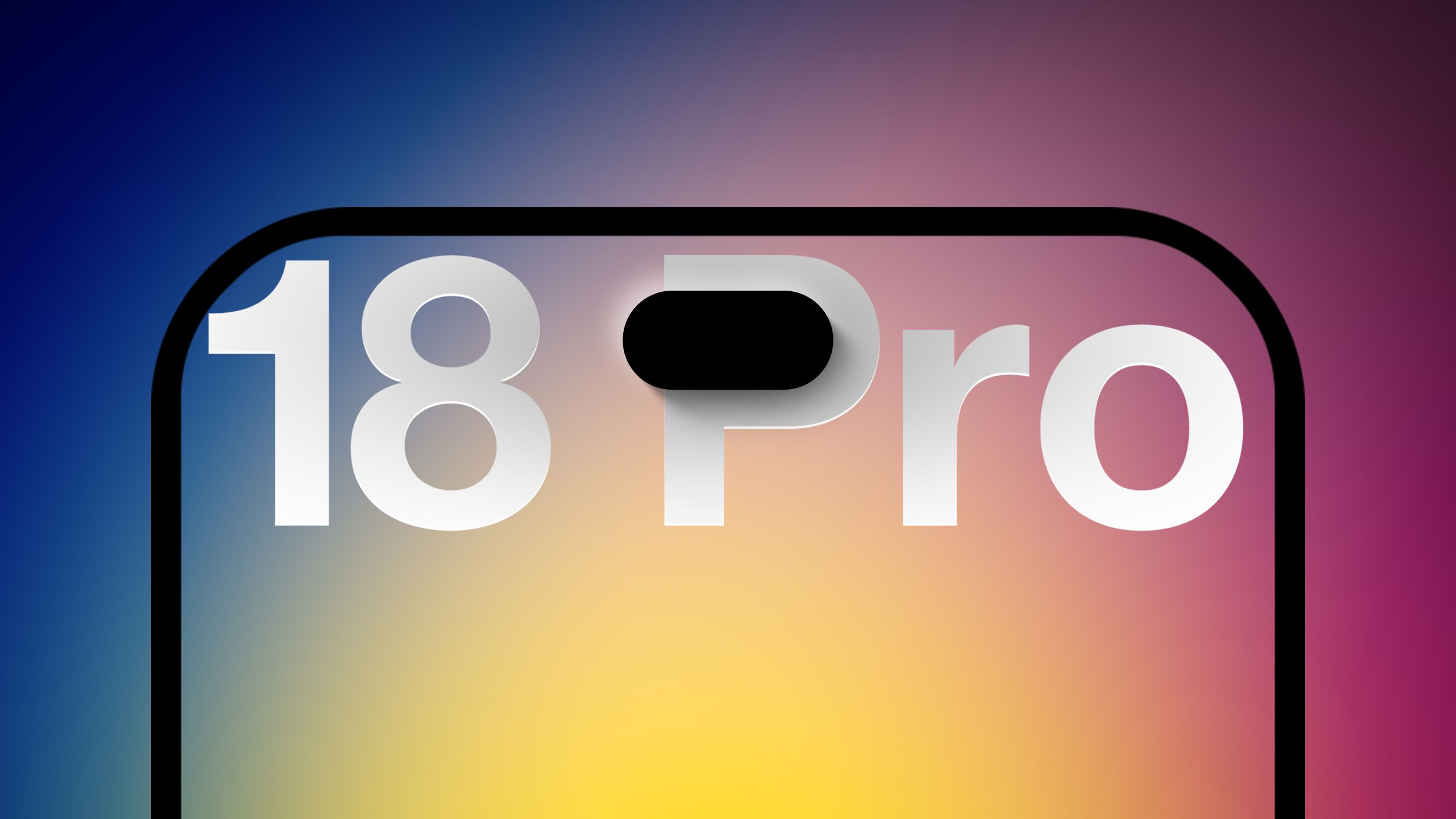
The device is being referred to in many reports as the iPhone Ultra rather than iPhone Fold. Multiple leaks and analyst notes suggest a September unveiling in Apple’s usual fall window, potentially alongside the iPhone 18 Pro family, but shipments could be constrained and may not hit wide retail until later in the year or into December. That mirrors previous patterns where Apple announces a product and manages a staggered ramp-up; expect limited initial supply.
For context on the launch schedule and possible slips, see coverage of the fold’s likely announcement timing and shipping expectations in our earlier piece discussing potential delays and launch windows iPhone Fold Could Ship in December — Expect an Earlier Announcement. And because the fold’s chipset is likely tied to the next iPhone generation, read up on how the A20 and camera rumors fit into Apple’s roadmap in our iPhone 18 Pro roundup iPhone 18 Pro: Variable aperture, A20 chip and the Fold in the wings.
What it means for the market
Counterpoint Research’s forecast is blunt: Apple could capture roughly 46% of North America’s foldable market in its first year. That projection, if realized, would force a reset among Android makers — particularly Google, Motorola and Samsung — at least in Apple’s home turf. The reasoning is straightforward: many existing foldable buyers came from the mainstream smartphone upgrade pool; Apple can unlock a giant replacement cycle inside its enormous installed base and command premium pricing.
For Samsung and Motorola, the impact will depend on whether they can meaningfully differentiate in hardware, price or software. Android makers still control global volume and have a bigger variety of foldables, but Apple’s ecosystem pull — and a nailed‑down, crease‑free experience — could make conversion easier for iPhone users curious about a tablet‑like phone.
A cautionary note
Despite the detail and the dummy units circulating online, these are still leaks and analyst forecasts. Apple has a long history of iterating prototypes; materials and hinge patents don’t guarantee the final product. And even with solved crease geometry on the lab bench, mass‑production scale and longevity tests will determine how consumers experience the device over years.
Still, the combination of novel adhesives, variable‑thickness glass, redesigned hinges and Apple’s software polish matters. If they deliver on the promises — a near‑invisible crease, a durable hinge and iPad‑style proportions in a pocketable package — the iPhone Ultra won’t just be another expensive folding phone. It could be the moment the foldable category settles into a form factor chosen not by accident but by design.
Either way, this spring’s leaks have already nudged rivals to respond, and that competition will be just as interesting as the phone itself.