Expect fireworks? Maybe not for every iPhone buyer.
A steady stream of recent Weibo posts from the leaker known as “Fixed Focus Digital” paints a picture of restraint for Apple’s non‑Pro models: the standard iPhone 18 and the follow‑up iPhone Air 2 are likely to be modest, mostly internal upgrades rather than dramatic design overhauls. Meanwhile, whispers about a smaller Dynamic Island and Apple’s first foldable suggest the company is concentrating its risk — and its flashy changes — at the top of the line.
What the leaks say
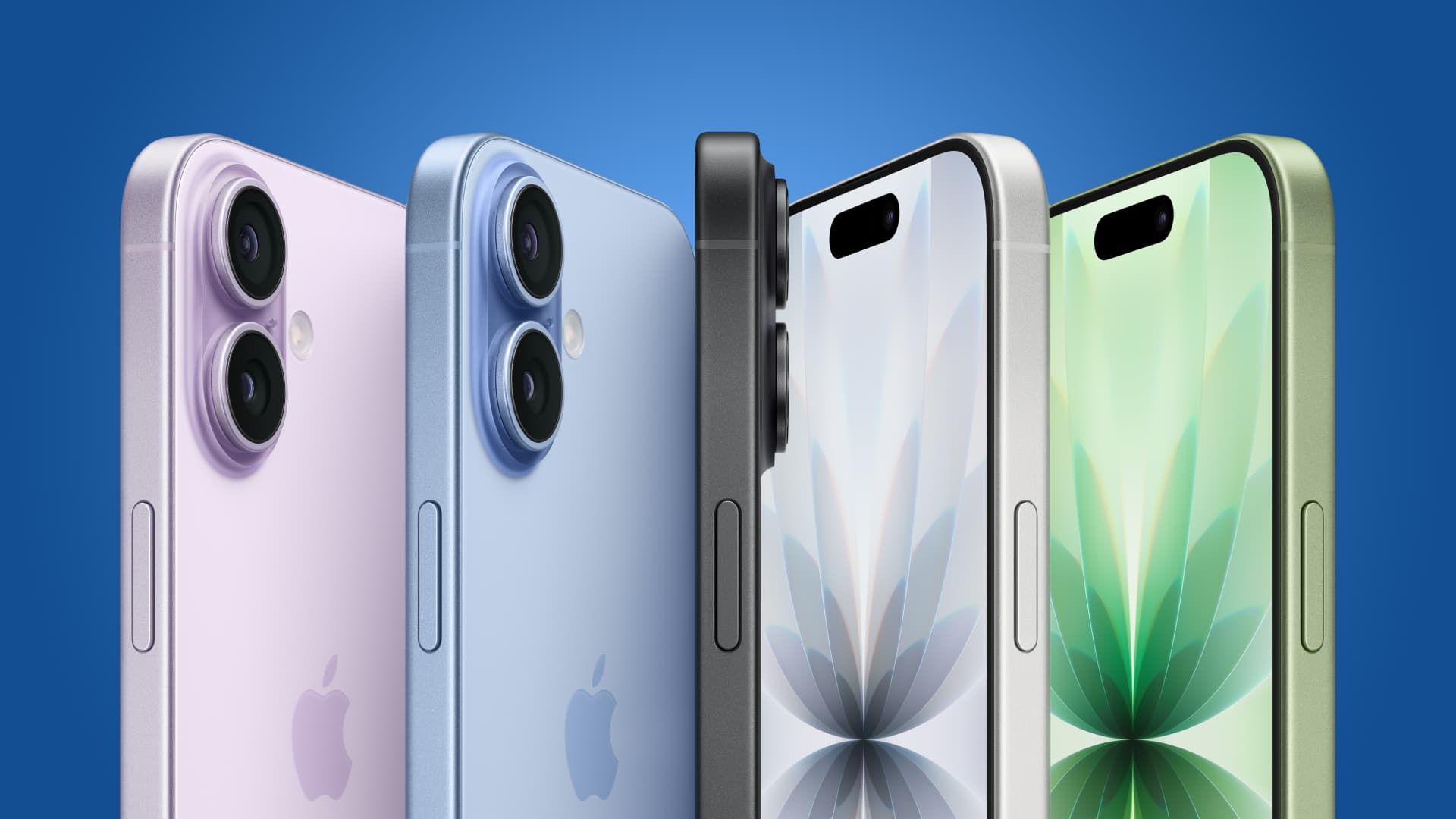
According to the posts, the base iPhone 18 will be “virtually unchanged” on the outside, perhaps only nudging dimensions slightly. Think iterative rather than radical: new silicon (A20 and C2 chips), more memory (reports point toward 12GB on higher trims), a bumped front camera spec, and a few software-driven camera refinements — but not a redesign you can spot at a glance.
The iPhone Air 2, too, is described as a routine update. That contradicts some earlier scoops that suggested Apple might add a second rear camera to the thin Air body. Fixed Focus Digital’s tone implies Apple will press ahead with the Air line regardless of its lackluster early sales — the leaker even insists Apple plans at least two generations of the Air, even if demand stays weak.
If you’re tracking subtle hardware differences: rumors circulated about internal tweaks for Air 2 like weight reduction, vapor‑chamber cooling, improved battery capacity, a thinner Face ID module, and refreshed chips. Those are mostly practical changes rather than headline design moves.
Why Apple might be holding back
A few factors point toward conservatism. Apple appears to be prioritizing premium models — the Pro variants and the upcoming foldable phone — both to maximize revenue and to focus engineering resources on devices that justify higher margins. That strategy fits earlier reporting about a staggered timeline: premium models could arrive on a more traditional fall cadence while the standard iPhone 18 and Air 2 might be pushed into a spring window.
Software priorities may play a role too. With Apple reportedly leaning into a stability‑focused cycle for iOS and its system updates, fewer hardware surprises make integration simpler and less risky.
The broader context: Air’s struggles and Pro/Fold ambitions
The Air hasn’t exactly lit up the market since its September 2025 debut. Surveys and supply‑chain chatter have described “virtually no demand” and sharp production cutbacks; some suppliers pared capacity drastically and manufacturers like Luxshare already halted Air production at one point. Still, the company seems willing to iterate on the form factor rather than kill it outright — perhaps banking on refinements (or price moves) to revive interest. For background on Apple’s pricing and market posture around the thin‑phone trend, see why Apple slashed iPhone Air prices and what that meant for the segment here.
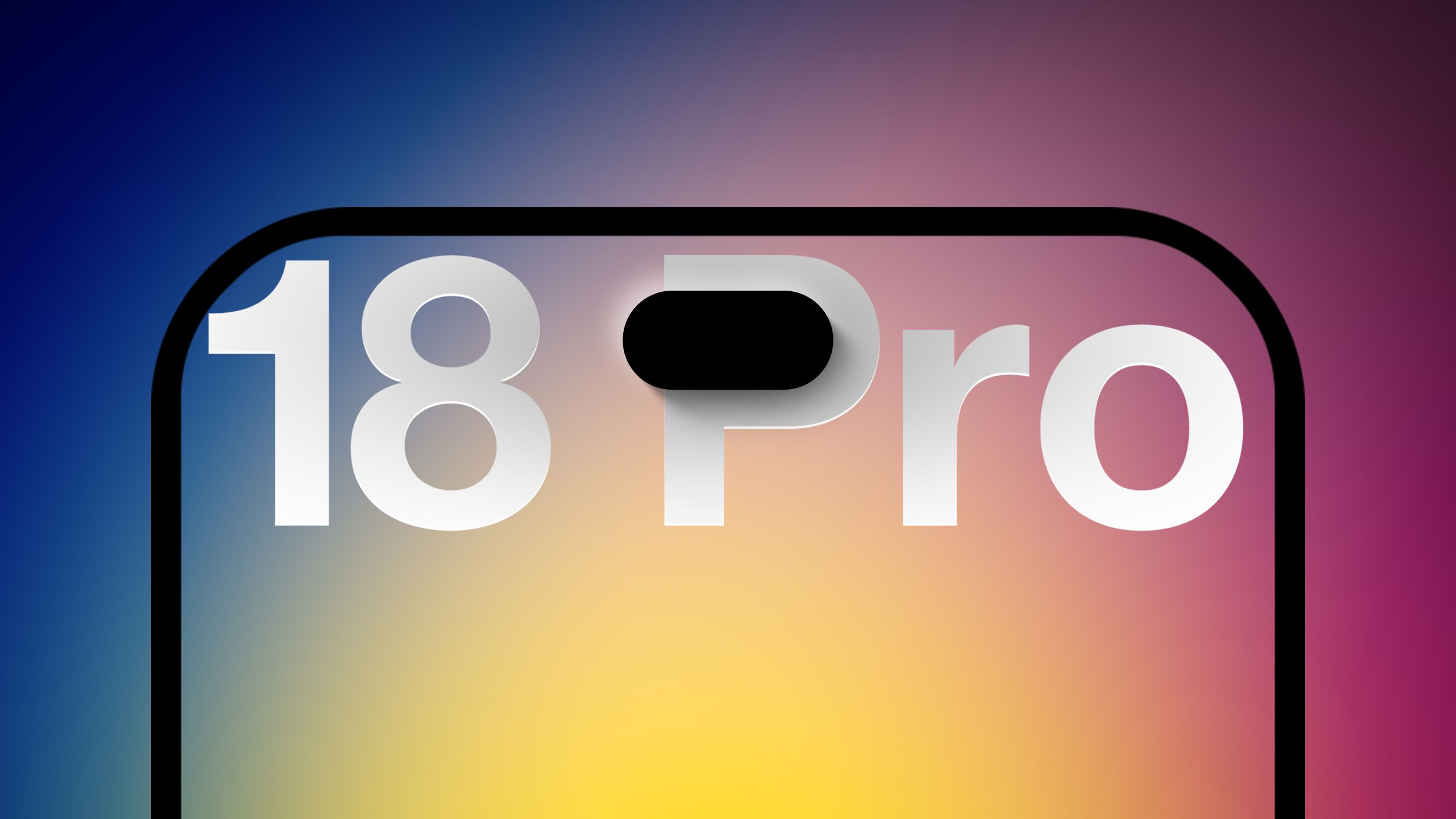
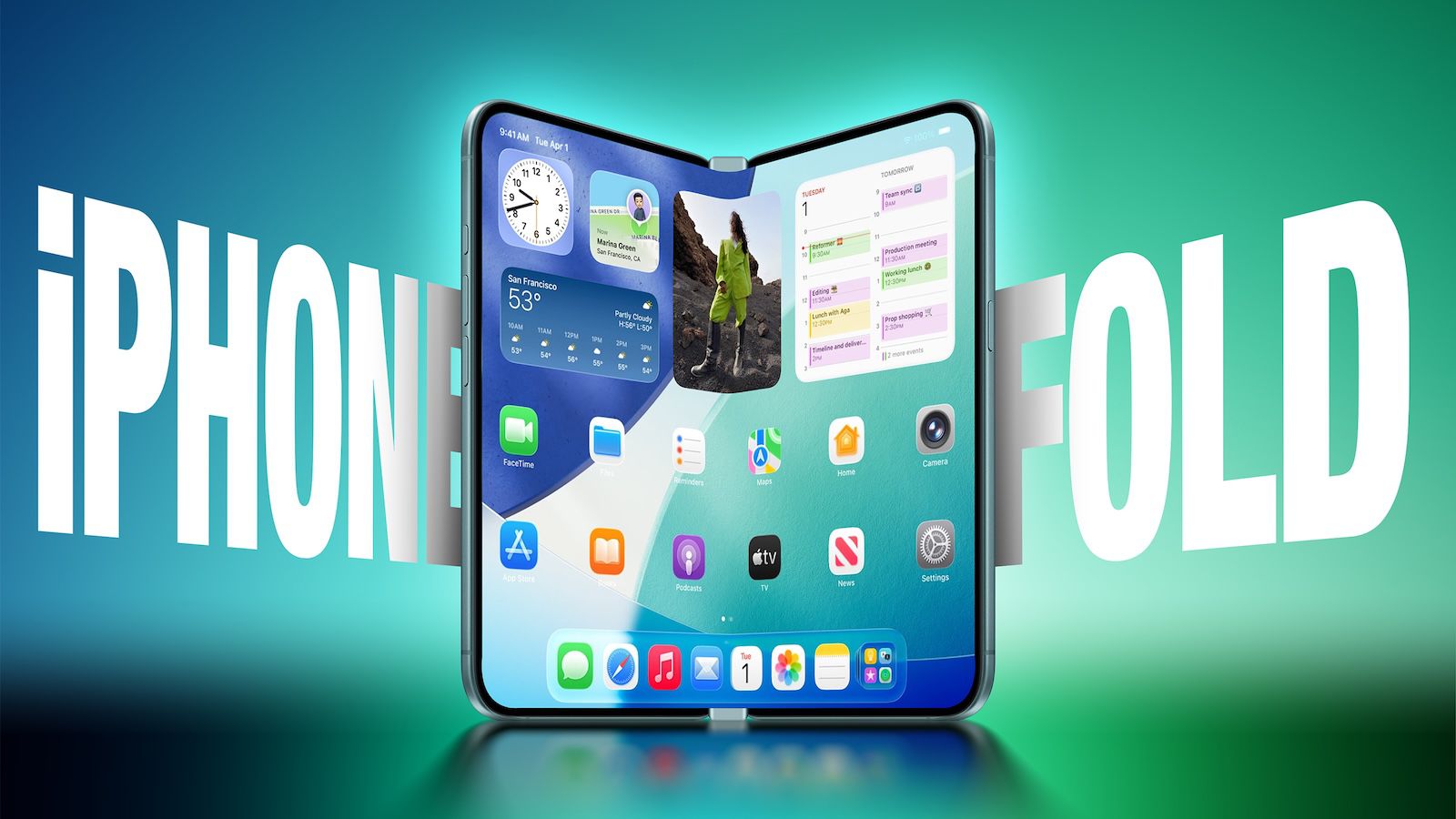
At the same time, the Pro models — and an imminent foldable — are shaping up to be the story. Multiple reports suggest the smaller Dynamic Island will be a Pro‑exclusive change, while the new foldable will likely be Apple’s marquee hardware moment later this year. Those developments align with deeper camera tweaks, new aperture tech, and the heavier R&D Apple is funneling into premium devices; you can read more on the Pro ambitions and chip/camera rumors in our roundup about iPhone 18 Pro speculation here. The foldable’s timeline has its own wrinkles — announced earlier, shipping perhaps later — which has been noted in reporting on the device’s manufacturing and logistics challenges here.
Should you upgrade?
If you demand a fresh look or a dramatic new feature, this cycle (at least for the non‑Pro models) might be underwhelming. Many readers and reviewers have already signaled their intent to skip incremental years; others value the smaller, lighter Air even with a single rear camera.
Apple’s current play feels deliberate: let the Pro line and the foldable do the heavy lifting creatively and financially, while keeping the rest of the lineup safe, familiar, and easier to produce and support. Whether that’s clever risk management or a missed chance to re‑energize the mainstream iPhone buyer depends on how much you care about new hardware versus steady refinements.
Either way, the loudest changes this year are likely to come from the top of Apple’s roster — the models that cost more and, for better or worse, get the most attention.