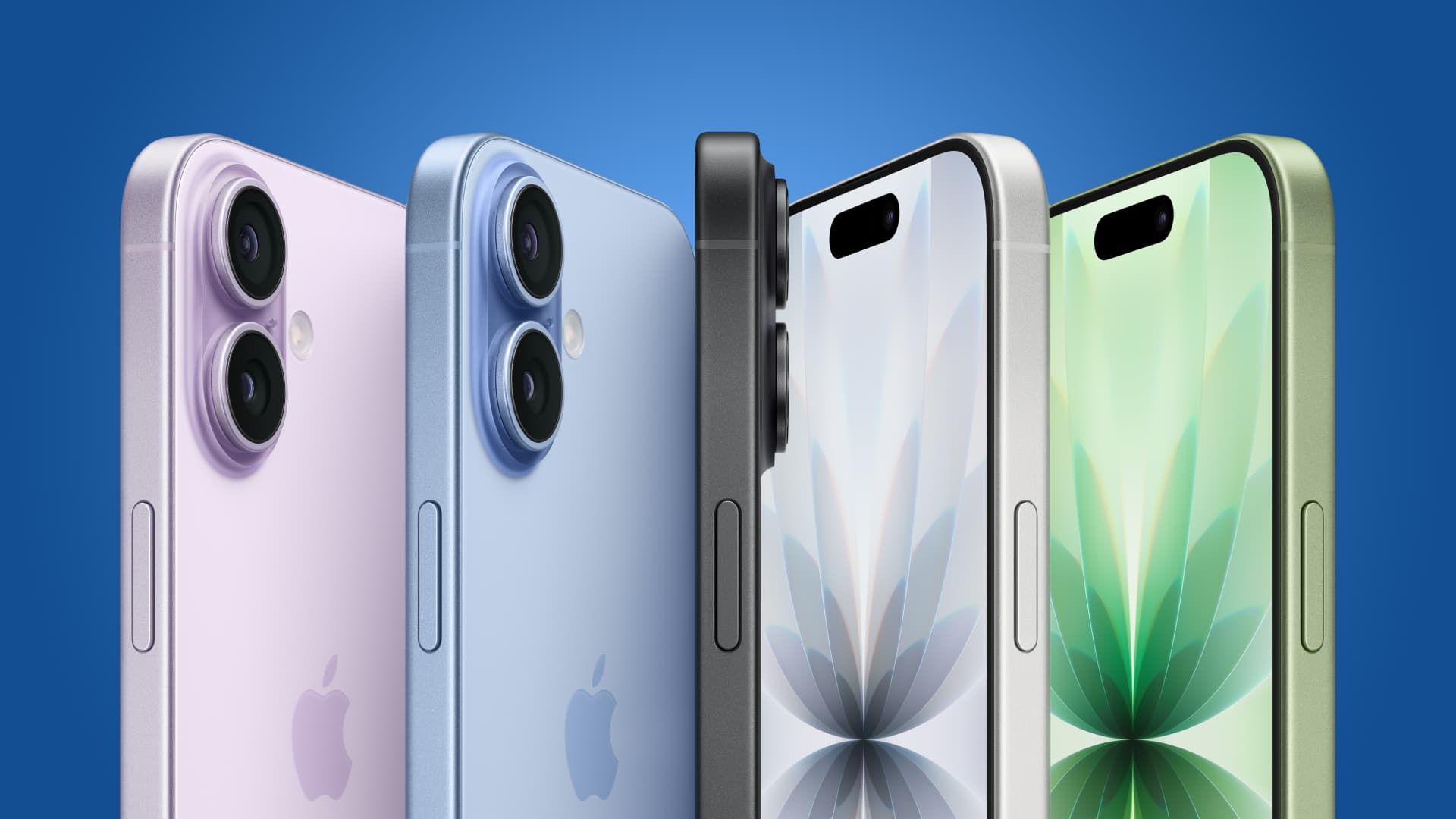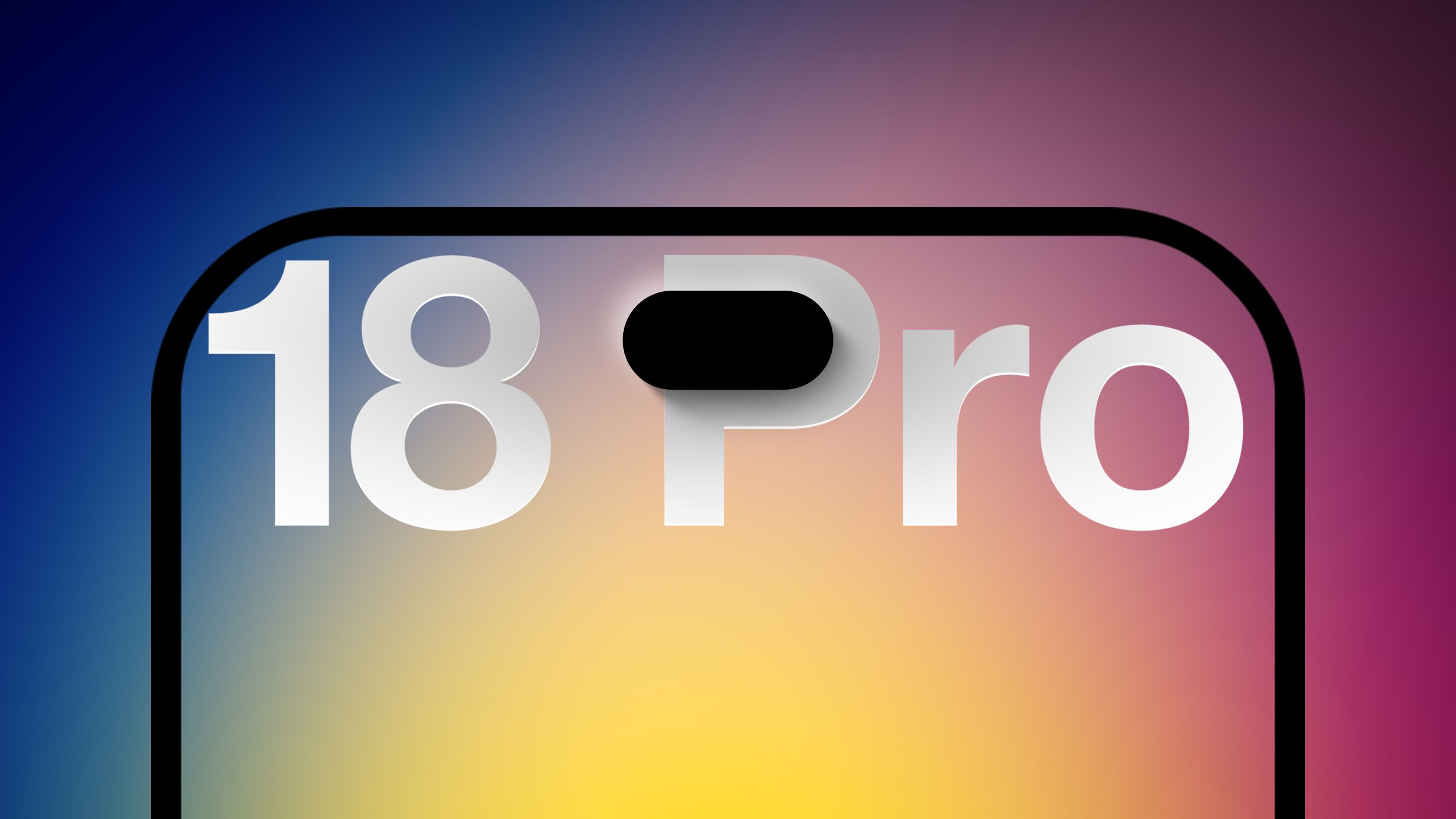
Can Apple really still be deciding a marquee design detail months before the usual September reveal? According to a prolific Weibo leaker going by Digital Chat Station, the company is quietly weighing two display options for the iPhone 18 Pro — and the choice could reshape a small but prominent piece of iPhone UI real estate: the Dynamic Island.
Two display routes: familiar or much smaller
Supply-chain chatter, the leaker says, points to an A/B scenario. Option A: reuse the existing screen mold from the iPhone 17 Pro, keeping the Dynamic Island essentially as-is. Option B: move some Face ID receiver/transmitter components beneath the panel and introduce a visibly smaller “Mini Dynamic Island” — industry whispers have suggested a shrink in the neighborhood of ~35% if Apple takes this route.
That flip-flop explains why different rumor threads have sounded at odds. Some reports have been confident the smaller cutout is coming; others (including the leaker above, until recently) suggested Apple might stick with last year’s tooling. Now it seems both paths remain live inside Apple’s supply chain discussions.
The camera housing and subtle finish changes
On the back, the story is less dramatic. The rectangular camera plateau introduced on last year’s Pro models looks set to carry over, with only “minor adjustments to the body materials and design details” — likely tweaks to make the aluminum frame and the wireless-charging glass island look and feel more unified rather than a ground-up redesign.
Why a tiny island matters more than you’d think
Shrinking the Dynamic Island is mainly a cosmetic win: more visible screen, cleaner status presentation, fewer visual interruptions. But the engineering to hide Face ID sensors under an active display is not trivial. Moving transmitters and receivers beneath the glass changes module design, testing, and — crucially — yields. A late decision could ripple through display factories, component packaging, and the timelines for millions of units.
That’s why the line between a cosmetic improvement and a production headache is thin. Reusing last year’s molds buys Apple manufacturing certainty; committing to an under-display Face ID shift risks lower yields early on but gives a fresher-looking phone.
Bigger picture: where this fits in Apple’s fall plans
The iPhone 18 Pro and Pro Max are widely expected to headline Apple’s fall slate, alongside Apple’s first foldable iPhone. That foldable effort has its own engineering headaches and possible shipping delays, so Apple might be balancing risk across multiple ambitious projects — hedging the Pro design could be part of that calculus. If you want a broader look at the iPhone Fold timing and the logistics around it, there are deeper reads on how Apple may be staggering or slipping shipments for the new form factor here.
And the Pro lineup itself has been linked in rumor threads to substantive internal upgrades — think an A20 chip and camera changes like variable apertures — that would change performance and imaging more than the chassis silhouette. For readers tracking those hardware rumors, this broader package is worth watching: rumors tying the Pro to an A20 chip and new camera hardware continue to circulate alongside these design squabbles.
What to expect from here
If Apple chooses the smaller Dynamic Island, expect suppliers to push hard to stabilize yields months ahead of mass production; if not, the company gets the predictability of tried-and-true tooling. Either way, the tweak — whether implemented or deferred — underlines how even a modest visual change can force complex engineering and manufacturing trade-offs at scale.
For most buyers, the difference will arrive first as a leak or a hands-on photo; for Apple and its partners, the deadline is manufacturing readiness. The debate over a few millimeters of display real estate is, in the end, a window into how cautious and iterative Apple’s design process still is when new technology meets the reality of making millions of phones.