Apple’s foldable iPhone is suddenly the story of two competing narratives: one that it’s still marching toward a September reveal, and another that stubborn engineering problems could push meaningful shipments later in the year.
A flurry of reports this week put investors and device-watchers on edge. Nikkei Asia described engineering challenges that, it said, can’t yet be fully solved on the current schedule — a timeline that matters because Apple traditionally unveils new iPhones each September. That report helped spark a sell-off in Apple shares, with intraday swings large enough to catch traders’ attention. Then Bloomberg published a counter-report suggesting the project remains on track for a September debut, and prices calmed down a bit.
What the timeline looks like
Industry chatter puts April and May as a make-or-break window for resolving last-mile engineering puzzles before mass production decisions are locked in. If Apple misses that window, some analysts say the company could announce the device in September but push bulk shipments into the end of the year — a scenario explored in previous coverage suggesting a possible December shipment schedule iPhone Fold Could Ship in December — Expect an Earlier Announcement.
There’s precedent for staggered rollouts: Apple has announced new iPhones in September every year since 2020, but supply issues and complex new designs can push actual availability later. That’s one reason observers are watching both the calendar and the supply chain chatter closely. For context on how the foldable fits with Apple’s broader phone plans, leaks around the next flat iPhone also hint the Fold would sit alongside the iPhone 18 lineup at announcement time iPhone 18 Pro: Variable aperture, A20 chip and the Fold in the wings.
The technical headaches (and the market reaction)
Nikkei’s anonymous-sourced reporting framed the story as classic engineering friction: new hinge tolerances, display durability, and packaging delicate Face ID components into a thinner, folding body. Bloomberg’s follow-up suggested the problems weren’t terminal — but the back-and-forth itself unsettled markets. CNBC noted the stock fell as much as 5% intraday before recovering; by the close the drop was smaller but still visible.
Part of the attention stems from scale: iPhones still drive a large chunk of Apple’s revenue, so any disruption to a key product launch has a ripple effect across suppliers and investors.
What the dummies tell us about the product
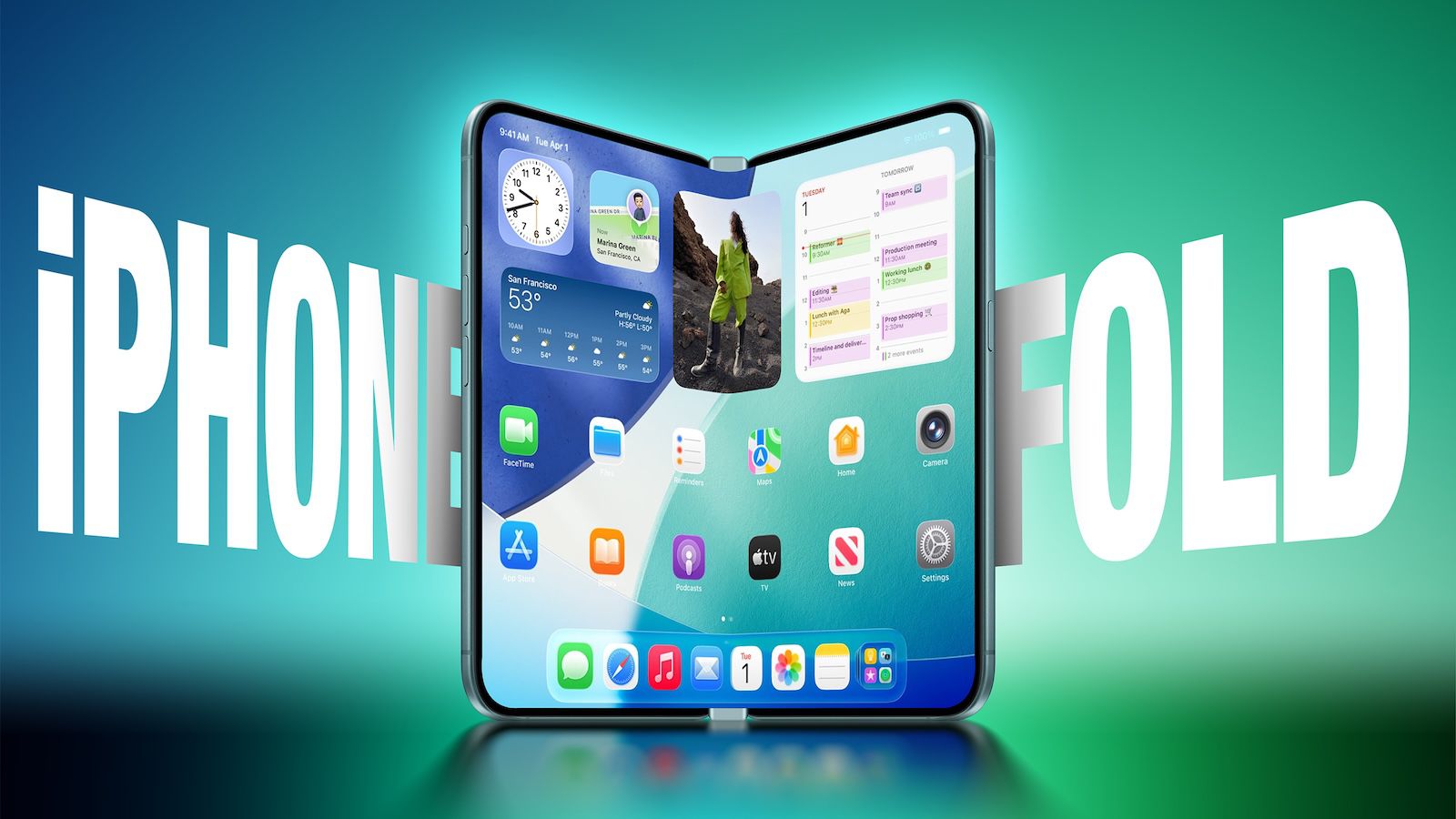
On the design side, a set of dummy units and photos posted by reliable leakers give the clearest look yet at the physical concept Apple seems to be targeting. The closed device reportedly has a passport-like silhouette — wider and shorter than Apple’s slab iPhones — and when unfolded presents a roughly 7.8-inch display. That puts the Fold closer in usable surface area to an iPad mini than to the current Pro Max phones.
A few practical implications stand out:
- The wider closed shape prioritizes an expansive unfolded experience, but may feel bulky for one-handed use when folded.
- Apple appears to favor a thin unfolded profile (under 5 mm) with about 9.5 mm thickness when folded, numbers that highlight how tight the engineering tolerances must be.
- Face ID hardware reportedly won’t fit in the thin body, so the Fold is expected to rely on a side-button Touch ID implementation instead.
Dummy models are imperfect, of course — they’re primarily for accessory makers and case designers — but they do reinforce a design philosophy: Apple seems focused on delivering a great large-screen experience when the device is open, even if that compromises the closed form factor in some ways. For some readers, that trade-off will make the Fold feel like an iPad mini that tucks into your pocket; for others it may create awkwardness for everyday single-handed use.
Why this matters beyond the rumor mill
Foldables have existed in the Android world for years, with Samsung and Huawei among the early commercial players. Apple entering the category would change the competitive landscape because of its ecosystem pull and the sheer volume it can generate — but getting the engineering right matters more for Apple than for many Android makers because customers expect near-flawless hardware integration.
Even if Apple announces the Fold this fall, staggered availability would give competitors breathing room and influence accessory cycles and developer support. It’s also a reminder that Apple’s product cadence is not immune to physical engineering limits: ambitious design goals meet reality at the hinge.
This week’s tug-of-war between sources — and the dummy units circulating online — leaves us with a few practical takeaways: a September announcement remains plausible, shipments may still slip later into the year, and the device’s form-factor choices point to an experience that privileges an expansive unfolded display over pocketable thinness. Whether that gamble pays off will depend on the final compromises Apple makes between durability, thickness, camera and biometric packaging, and how quickly it can tame the remaining engineering headaches.
For a deeper look at the potential shipping cadence and how Apple might stagger announcement versus shipment, see earlier reporting on possible December shipments iPhone Fold Could Ship in December — Expect an Earlier Announcement, and if you want the Fold’s place alongside Apple’s next non-folded flagships, there’s background on how the Fold is being positioned with the iPhone 18 family iPhone 18 Pro: Variable aperture, A20 chip and the Fold in the wings.