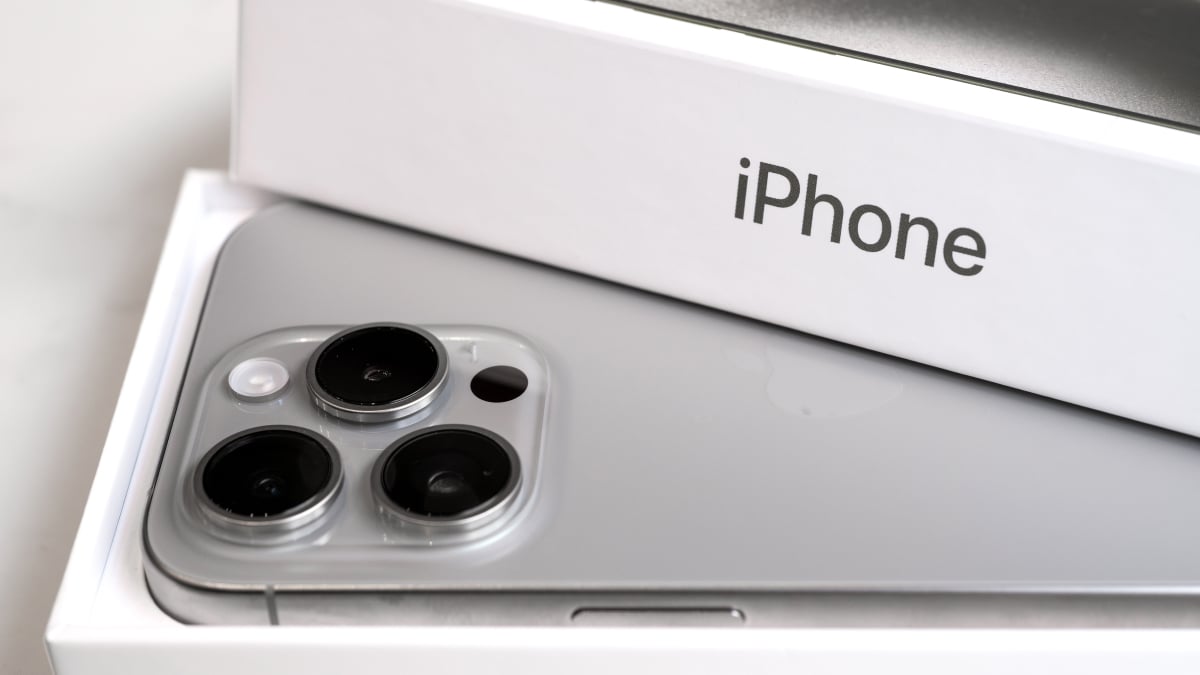
Ask any phone photographer what they'd change first and many will answer: the lens. This year’s iPhone whispers center on exactly that — a mechanical change that could alter how iPhones shoot — and a set of silicon and design moves that make Apple’s September launch feel unusually consequential.
A camera that lets you make choices
Leaks increasingly point to a variable-aperture main camera on the iPhone 18 Pro’s 48‑megapixel “Fusion” sensor. In practical terms that means the phone could physically change how much light hits the sensor instead of relying solely on software to fake shallow depth-of-field or brighten dim scenes.
If Apple pulls it off, you’ll get real optical control: wider aperture for subject isolation and creamy bokeh, smaller aperture for deeper focus and crisper daylight shots. That won’t turn the iPhone into a mirrorless camera overnight — sensor size and physics still matter — but it narrows the gap where computational tricks used to struggle, especially for motion and mixed-light scenes.
A variable aperture also helps shutter speed and noise performance, so low-light photos could see tangible benefits without depending on heavy stacking and frame blending. The trade-off is complexity and space: fitting a moving aperture inside a very thin device is not trivial, which may explain Apple’s larger camera island on recent models and the ongoing chatter about design compromises.
The silicon leap: A20, 2nm and RAM on the same wafer
The next-generation A20 and A20 Pro chips are another centerpiece of the rumor landscape. Industry chatter says Apple will move to TSMC’s 2nm process and use wafer-level multi-chip module techniques that could embed RAM directly on the same wafer as the CPU, GPU and Neural Engine.
That matters. Integrating memory at wafer level reduces latency, improves power efficiency and frees internal space — all of which translate to speedier AI tasks, longer battery life and room for other hardware changes. Some reports even peg the Pro models at 12GB of RAM, and the wafer-level approach could lead to tighter performance-per-watt gains than past iterative updates.
Other rumored silicon: a new N2 wireless chip for faster Wi‑Fi and Bluetooth performance and a C2 modem to boost 5G and satellite connectivity. Taken together, the platform upgrade promises more than raw benchmarks — it’s about making advanced features like on-device AI and camera processing feel instant and energy-efficient.
A smaller Dynamic Island, a deep red, and the shadow of a Fold
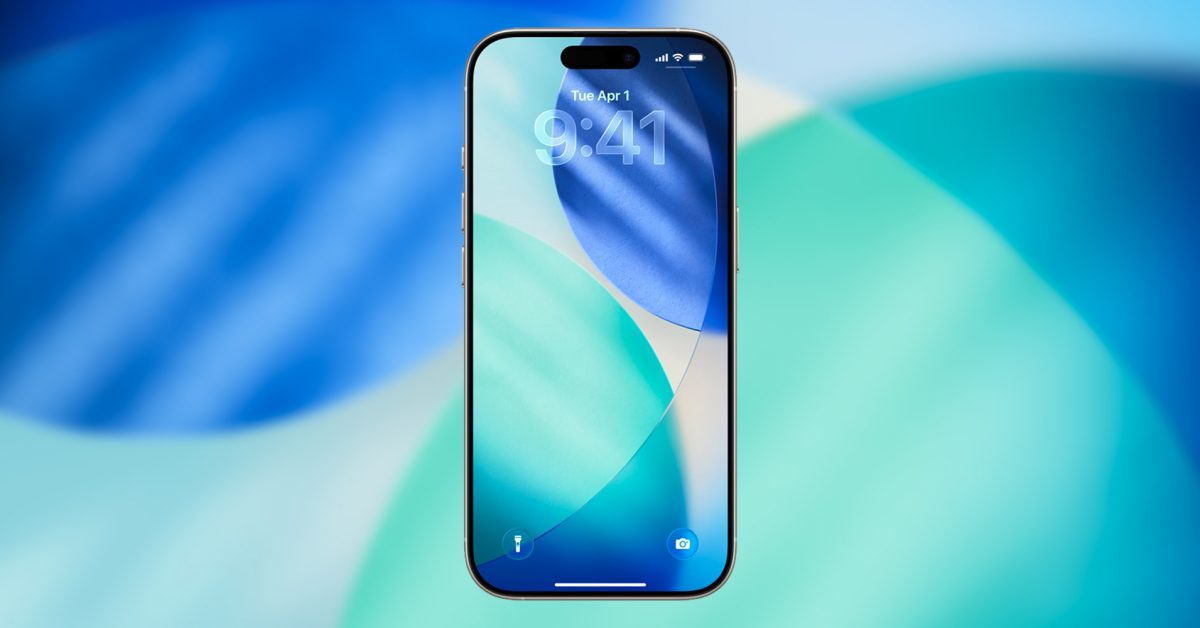
Design rumors are noisier in tone but still interesting. Some leaks suggest Apple may tweak the Dynamic Island on the Pro — potentially making it visually different from the standard model. Color-wise, a “deep red” finish is reportedly being trialed for at least some iPhone 18 variants, which would be the boldest red we’ve seen since (PRODUCT)RED models.
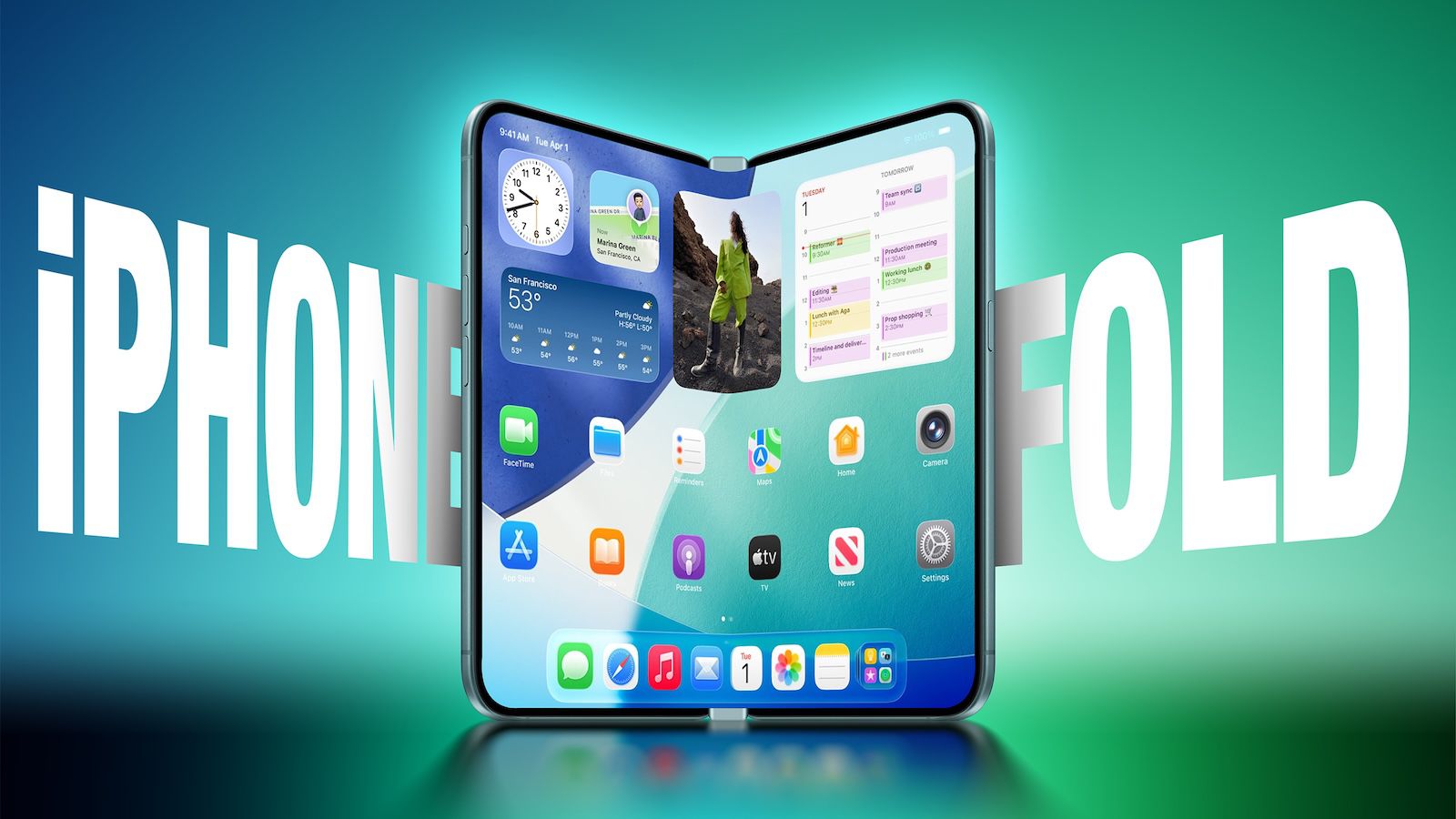
Meanwhile, Apple’s foldable project remains the narrative’s other big thread. The iPhone Fold is expected to behave like an iPhone when closed and a near‑iPad mini when opened, with dual 48MP rear cameras and separate selfie cameras for folded and unfolded modes. Rumors suggest Apple has focused on minimizing (or eliminating) the visible crease — a major engineering headache for every foldable maker so far.
There’s been talk about timing too: while the announcement will likely come at Apple’s usual September event, some insiders think shipments might not begin until later in the year — possibly December — which could affect buying decisions for consumers weighing Pro upgrades against a first‑generation Fold. For more on the Fold timing and expectations, see the company’s shipping rumors in our coverage of iPhone Fold Could Ship in December.
Why the timing and software tweaks matter
Apple isn’t only upgrading hardware. The company has been quietly rolling out security fixes and platform updates that set the stage for new feature launches — a reminder that hardware and software are tightly coupled in Apple’s strategy. Recent patches to Safari and background security work show Apple polishing the foundation as rumors about the 18 lineup circulate. Read about that patch work in our piece on Apple’s stealthy 'Background Security' patch.
On the software front, larger on-device models and the A20’s anticipated efficiency gains point toward more ambitious local AI features and faster image processing. If you’re tracking broader OS changes and how Apple is rethinking workflows in iOS 26, that context helps explain why new silicon will be needed — we covered those shifts in our look at iOS 26's little revolutions.
What this means for buyers
If you’re on an iPhone 17 Pro, the upgrades might look evolutionary: faster chip, slightly different Dynamic Island, camera refinements. But if you’re on an older flagship or a 14‑series model, the combination of variable aperture, a major silicon jump and potential modem improvements could justify an upgrade.
The Fold complicates the picture. For many early adopters, the choice won’t be Pro versus Pro — it’ll be Pro versus a new form factor entirely. Price chatter for the foldable ranges high in leaks, which may keep the classic Pro line as the mainstream upgrade path.
Apple’s next moves will answer a few key questions: can a variable aperture be made reliable in a pocketable phone? Will wafer‑level memory integration produce noticeable everyday gains? And how much of the Fold experience will arrive this year versus later? If the rumors hold true, Apple is betting on both optical and silicon tricks to keep the iPhone line feeling fresh — while quietly preparing the ground for a very different handset experience.
If you’re tracking the calendar, expect more leaks between now and September — and a crowded set of choices on the shelves when Apple finally lifts the curtain.