The image is seared into the story of modern tech: people camping outside stores in the cold, sleeping bags and folding chairs arrayed like an urban ritual. In 2007, those lines were for something that wanted to be more than a phone — a pocket computer that played music, surfed the web and promised to change what a handset could be. The $500–$600 price tag and an exclusive two‑year AT&T plan didn’t stop the frenzy. For many, the first iPhone was a religion; for others, a curiosity you might wait to see evolve.
But the iPhone — and Apple itself — didn’t arrive out of nowhere. The company’s 50th birthday this spring has invited a lot of looking back: the products that hooked the public, the advertising and secrecy that sharpened desire, and the people who made it all possible.
A company that reinvents its image as much as its products
Apple’s myth is product and personality in equal measure. Steve Jobs’s theatrical reveals, the “1984” spot that still gets taught in ad classes, and later campaigns that turned musicians and directors into co-conspirators of cool helped make buying a gadget feel like joining a movement. Yet behind those moments were quieter, longer arcs: failed projects, near-bankruptcy in the 1990s, and a risky pivot back toward simplicity and design that paid off spectacularly.
That push for simplicity — ‘less, but better’ writ large — shows up in countless decisions, from hardware to retail. The Apple Store was not an inevitability; it was a gamble on experience over commoditization. And the company’s relationship to its own past is complicated: reverent about some origins, ruthless about others.
The long game: people who stayed and people who shaped the path
If you want proof that Apple’s story is about people as much as products, look at employees who stayed through many of its turns. Chris Espinosa, hired at 14 in 1976 and still at Apple five decades later, is a reminder that the company was built by individuals who moved between roles — marketing, documentation, engineering — as needs shifted. That kind of institutional memory is rare in Silicon Valley, and it gives Apple an unusual continuity. But continuity doesn’t mean stagnation; it’s also a source of discipline when big bets are made.
Outside that inner circle, countless engineers, designers and marketers left marks that ripple through every product launch. Lists ranking the top 50 people who shaped Apple read like a who’s who of industrial design, software architecture and culturing talent. From designers who made the objects feel inevitable to executives who kept the business upright during hard years, the story is collective.
The iPhone as a turning point — and the long tail that followed
The 2007 iPhone crystallized many trends: phones as computers, touch as primary input, and a new relationship between hardware, software and services. It also set expectations: whether about price, carrier control, or the idea that a single product could remake an industry. Those themes keep looping back today as Apple experiments with new form factors and pricing strategies.
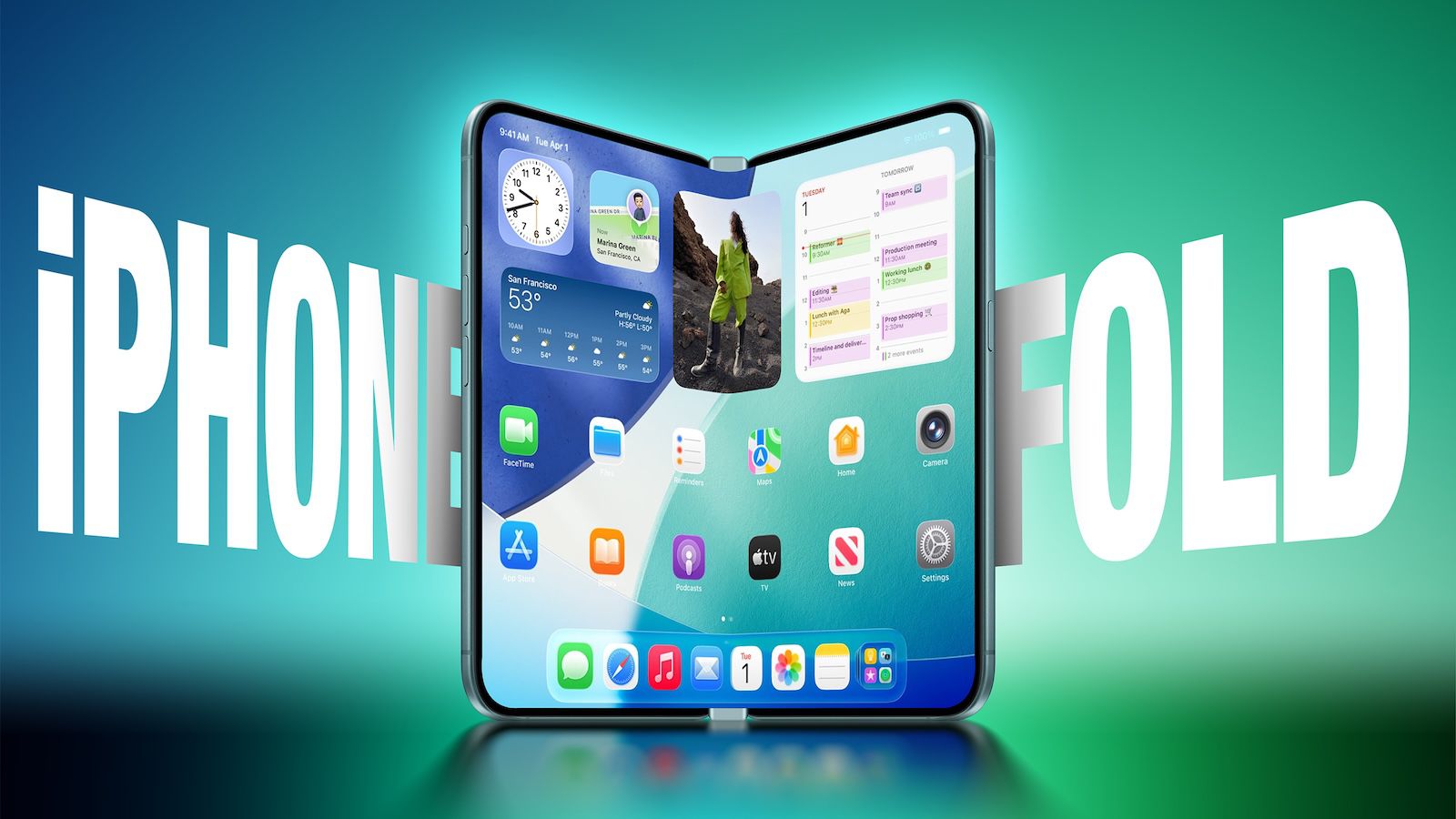
Look at the company’s current roadmap and you see echoes of that first upheaval. Rumors and engineering notes point toward foldable designs and camera-first approaches, the sorts of gambles that could reframe devices once again — watch that space for the iPhone Fold. And while premium pricing persists, Apple has also adjusted its lineup in recent years, trimming costs on some models to compete on volume and reach — a strategy explored in coverage of why Apple slashed iPhone Air prices.
Meanwhile, the hardware-software-service axis keeps tightening. Operating system updates, privacy controls and security fixes now arrive with the same urgency as new iPhones. The company that once dazzled with a single device launch now juggles ecosystem maintenance, regulatory scrutiny and the expectation that it secures millions of devices without fanfare.
Not a nostalgia piece, but not blind to history either
Celebrating fifty years isn’t the same as declaring perfection. Apple’s past includes brilliant design, awkward detours, corporate restructurings and management dramas. It also includes pragmatic decisions — partnerships, acquisitions and the occasional apology — that shaped its capacity to last. Product leaks and rumors about the next-generation iPhone hardware suggest Apple’s appetite for iteration remains strong; the iPhone 18 leaks hint at incremental and bold changes at once.
What stands out is less a single product than a set of habits: obsession with craftsmanship, a marketing machine that turns features into desire, and teams that can move from prototype to scale with rare speed. Those habits made a garage project into one of the world’s most valuable companies. They’re also what will decide whether Apple’s next half-century looks like an encore or a reinvention.
If there’s a through line from the first iPhone lines to today’s complex debates about privacy, pricing and form factors, it’s this: Apple succeeds because it binds technology to human stories — the person who waits in line, the engineer who refines a component, the designer who erases a button. Fifty years in, that human stuff still matters more than the silicon.
No neat conclusion is necessary. The next big release, the next long‑term employee, the next list of influential names — they’ll all arrive in their own time. For now, Apple’s anniversary feels less like a full stop and more like a pause between acts.