Imagine unfolding a phone that finally feels like a little notebook instead of a stretched-out slab. That’s the idea behind the latest batch of Samsung rumors and patent teardowns: a move away from the tall, narrow “book” fold and toward wider, more tablet-like proportions — and yes, even a possible return to the TriFold concept, rethought for a wider world.
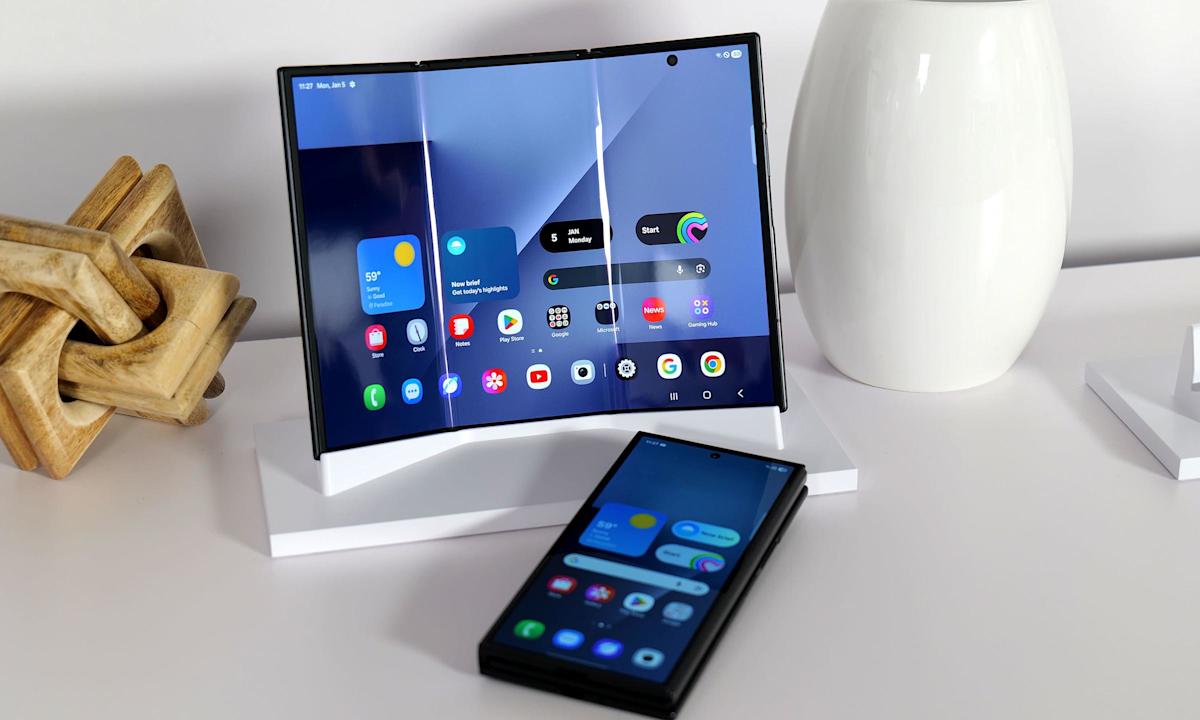
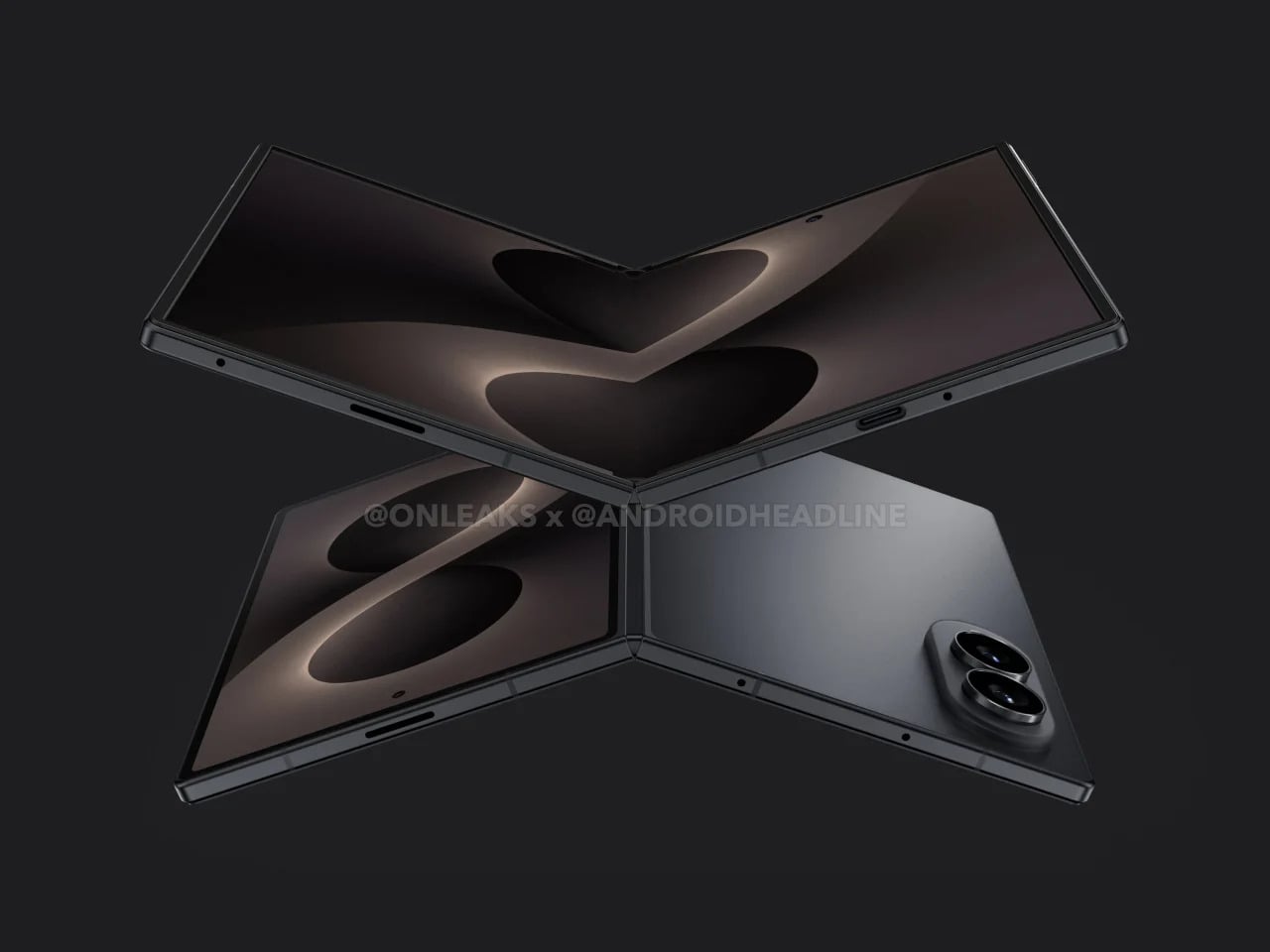
The headline pieces are straightforward. Multiple leaks and renders point to a Galaxy Z Fold 8 Wide: a Fold variant that swaps the usual skinny aspect for a shorter, broader inner display — roughly aiming for a 4:3-ish canvas. Reported numbers floating around the rumor mill put the cover screen near 5.4 inches and the inner panel around 7.6 inches, while battery and silicon talk mentions a 5,000 mAh cell and a Snapdragon 8 Elite Gen 5. The device is slightly chunkier when folded (about 9.8mm in some leaks), which could be deliberate real estate for an S Pen or beefier internals.
Why “wide” matters
For anyone who’s used Samsung’s book-style Fold, the annoyance is familiar: the outer screen is awkward for quick one-handed tasks, and the inner panel’s near-square proportions don’t map neatly to widescreen video or many tablet-optimized apps. A wider Fold nudges the device into proportions that software designers already understand — think iPad-like layouts and fewer awkward sidebars — and it makes the cover screen behave more like a conventional phone.
Design patents and concept renders suggest the change is more than cosmetic. A broader aspect ratio would let video breathe, make landscape gaming and split-screen multitasking feel less cramped, and might finally let the Fold act like a genuine pocketable notebook for sketches and notes — especially if Samsung adds official S Pen support optimized for a folded, pen-ready surface.
TriFold 2 (and its wide cousin)
Samsung hasn’t forgotten the tri-fold experiments. The original Galaxy Z TriFold made a splash but was pulled from the market after a short run, an abrupt end that left observers wondering whether Samsung would double down or quietly shelve the idea (Samsung Pulls the Plug on the Galaxy Z TriFold After Three Months). Patents and blurry leaks indicate a successor (or at least a spiritual cousin) could return, this time embracing the wide form factor — a passport-style, tent-capable TriFold Wide with a thicker frame, side-mounted keys and a triangular “tent” posture for hands-free media playback.
Those same filings hint at useful extras: a passive external display that can show widgets and notifications while the device tents, a refined hinge that aims to reduce thickness, and hardware rearranged to balance heft and durability. Samsung’s approach looks iterative rather than reckless — taking lessons from earlier hardware and reworking them into something more practical.
Competition and timing
There’s another reason Samsung seems to be leaning into wider proportions right now: Apple’s rumored foldable dimensions. If Apple’s foldable iPhone arrives with shorter, wider proportions, it would validate the format for mainstream buyers in a way Samsung alone sometimes struggles to do. That matters because foldables still carry the whiff of “experimental” for many consumers; mainstream validation helps normalize the category.
Still, the obvious caveat is Samsung’s own patchy track record with experimental shapes. The company can build brilliant prototypes and then back off if numbers don’t add up or if supply-chain math gets ugly. For buyers, that makes committing to a new form factor riskier — accessories, software optimization and iterative hardware refinements matter more when the platform needs time to mature.
What to watch inside the rumors
- S Pen: Leaks suggest Samsung could fit stylus support without a bulky digitizer, which would dramatically improve the Fold’s notebook ambitions.
- Aspect ratio and display sizes: A 7.6-inch inner screen that leans toward 4:3 would be a turning point for app compatibility.
- TriFold evolution: Patents point to a tent mode and passive external screen, signaling a focus on practical daily use rather than headline-grabbing novelty.
Whether Samsung ships a Z Fold 8 Wide as a headline feature or rolls the wide experiments into limited TriFold follow-ups, the overall story is clear: Samsung is rethinking proportions, not just fold counts. That shift — toward displays that match how people actually read, watch and jot things down — could finally move foldables out of the “interesting tech demo” lane and into something you reach for every day.
Samsung’s confidence will be easier to judge if the company follows through across multiple generations. In the meantime, there’s another twist to the tale: recent inventory moves briefly brought the TriFold back for a final restock, underlining both demand and the uncertainty around rare hardware runs (Galaxy Z TriFold Returns for a Likely Final Run). If the wide Fold arrives, or if a reimagined TriFold surfaces, the market will get a clearer answer about which shape — tall or wide, double or triple fold — actually sticks.
Tags: a wider display, stylus support and a sturdier hinge might be exactly what foldable skeptics need to see.