If you’ve ever sprinted through an airport terminal only to miss a connection, United’s hoping its phone can stop the chaos before it starts.
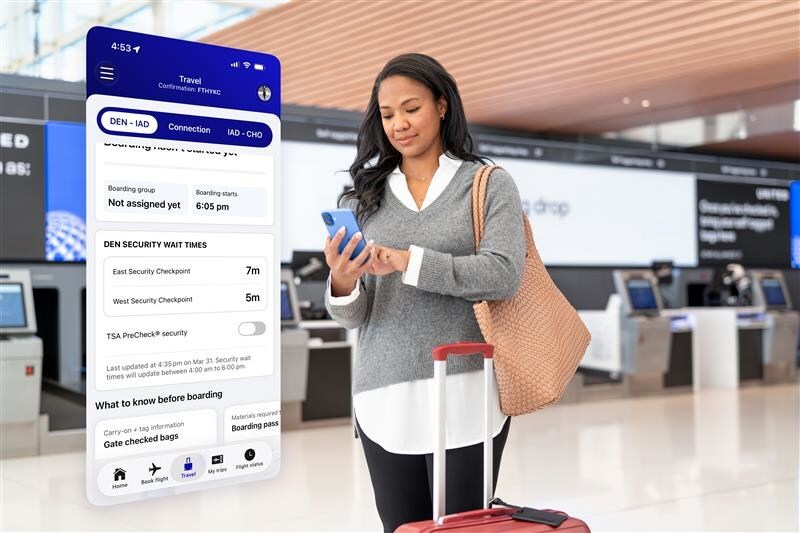
United Airlines this week began rolling out a suite of day‑of travel features in its iOS and Android apps that put estimated TSA security wait times front and center for customers at the carrier’s major U.S. hubs. The pilot covers airports in Chicago (O'Hare), Denver, Houston (George Bush Intercontinental), Los Angeles, New York/Newark, San Francisco and Washington, D.C., with lane‑specific estimates for standard screening and TSA PreCheck where available.
“We appreciate the work and professionalism of our TSA agents, and while most began receiving back pay earlier this week, the U.S. Department of Homeland Security shutdown continues and people want to stay informed about expected security wait times at our airports,” Jason Birnbaum, United’s chief information officer, said in the airline’s announcement.
What the app now does
The new tracker is only one piece of a broader push to make the app a single point of truth on travel day. Highlights include:
- Lane‑level TSA wait estimates (regular and PreCheck) at United’s U.S. hub terminals. United says the Houston data comes from the Houston Airport System and that all estimates are derived from data available to the airline and may vary from real‑time conditions.
- Personalized, turn‑by‑turn directions between gates with walking‑time estimates and alerts if the airline can hold a departure for passengers making tight connections.
- Automatic rebooking tools that surface alternative flights and, when eligible, vouchers for meals or hotels — without a long agent queue.
- Enhanced bag tracking: customers using Apple AirTag or other Find My accessories can share an item’s location directly with United’s customer service team.
- Real‑time radar map texts that show how weather in one region can ripple across the network; United says it’s sending some of those messages with the help of generative AI tools.
Together, these additions aim to reduce the small but frequent frictions that turn routine travel into a scramble — long TSA lines, missed connections, and the mystery of a late piece of luggage.
Why this matters now
The timing isn’t accidental. A partial federal shutdown strained Transportation Security Administration staffing at checkpoints, leaving passengers eager for reliable, crowd‑sourced (and airline‑sourced) visibility into screening times. While some agents have since received back pay, the uncertainty around staffing and local spikes in queue length makes a preemptive heads‑up useful.
United pitches the feature as a first‑of‑its‑kind offering among major U.S. carriers, and it’s rolling out to customers traveling through its hub airports starting this week. The airline also cautions that the wait‑time figures are estimates based on its available data and may not always match on‑the‑ground reality.
If you’re an Apple user who likes to tuck an AirTag into your checked bag, the app’s new ability to share an item’s location with United staff removes one awkward step in recovery — you won’t have to describe coordinates over the phone. Phone makers and platform vendors have been nudging similar cross‑device conveniences forward; recent OS updates have emphasized smoother device workflows and sharing, from iOS improvements to Samsung’s Quick Share expansions (iOS 26's little revolutions, Galaxy S26 AirDrop compatibility).
Practical takeaways for travelers
You don’t have to do anything exotic to try the features: update the United mobile app, look in the Travel section, and check security‑line estimates for your departure terminal. If you frequently connect through a United hub, the turn‑by‑turn gate directions and automatic rebooking options could shave minutes — and anxiety — off your airport experience.
United’s move is another example of airlines leaning into software to smooth travel pain points. Whether estimated wait times keep you from arriving too early or simply give you peace of mind, this rollout is aimed at one simple goal: fewer surprises between curb and gate.