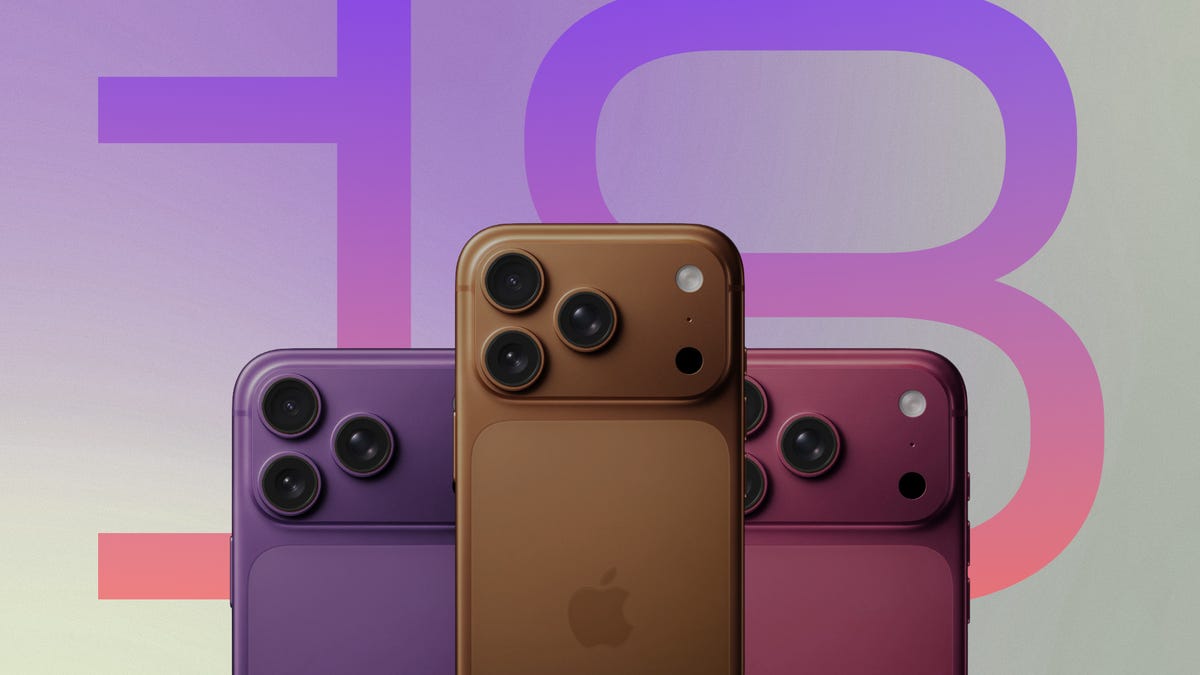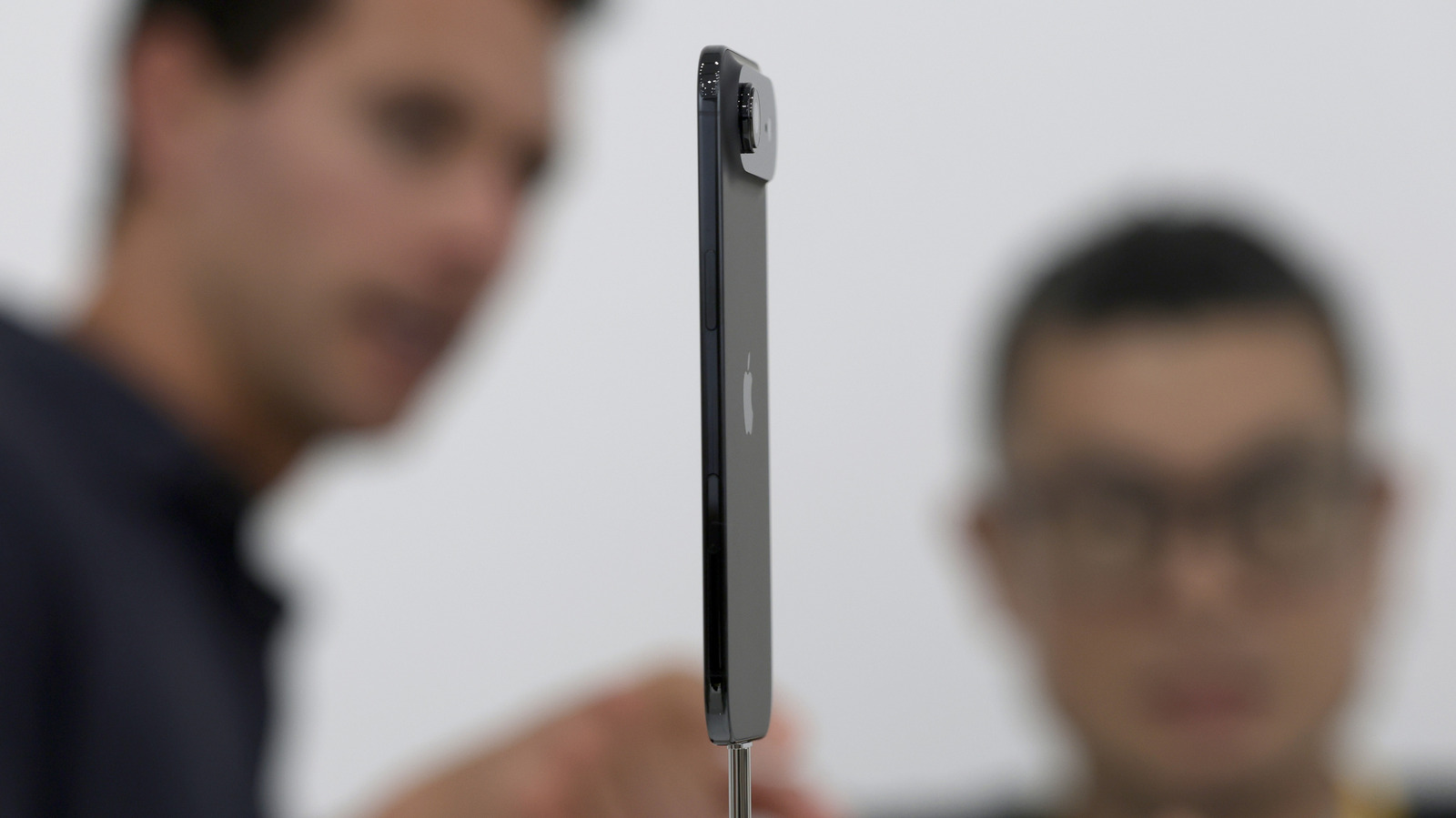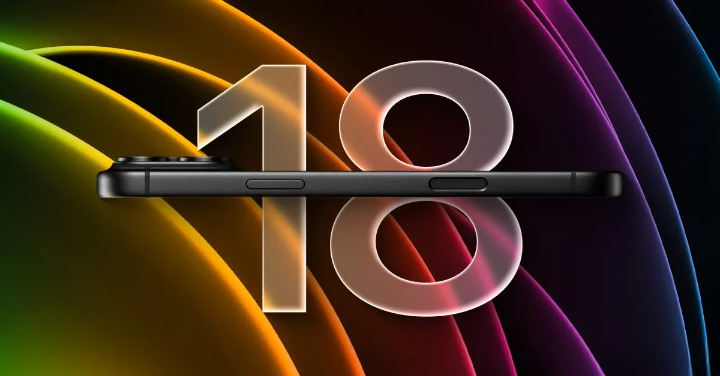
Rumors about Apple's next big iPhone cycle are aligning into a clearer picture: this fall's iPhone 18 Pro models may arrive with a noticeably smaller Dynamic Island, a hulking battery could finally kill the "battery anxiety" complaint for the flagship Pro Max, and the company is quietly pursuing an all‑screen, cutout‑free iPhone for a special anniversary model.
A smaller Dynamic Island for more than just the Pro
Leakers on social platforms have been pointing at a reduced Dynamic Island for months, but a recent post from a widely followed Weibo source suggests the change may not be limited to the Pro models. The claim: bezels will stay much the same as the iPhone 17 generation, but the black Dynamic Island area will shrink across multiple 18-series models — potentially including the base iPhone 18 and a rumored iPhone Air 2.
That would be a notable shift. Historically, Apple tends to debut visual refinements on its higher‑end models before trickling them down. Which is why some industry observers remain skeptical that every 18‑series handset will get the smaller cutout right away. If Apple wants the Air 2 to feel distinct (and it probably does), giving it the smaller Dynamic Island would be an easy way to signal something new without altering the bezel geometry too much. For context on where other premium hardware rumors sit — like the A20 chip and imaging changes — see reporting on A20 chip and other iPhone 18 Pro rumors.
But the cutout story doesn't stop at incremental shrinkage. Display engineers and other leakers describe a multi‑step roadmap: move some Face ID elements under the display and make the island smaller this year, then adopt a hole‑punch front camera plus fully under‑display Face ID next year, and finally aim for a truly uninterrupted, quad‑curved all‑glass screen for a premium 20th‑anniversary model. Apple's engineering bar is high, and several analysts say under‑display Face ID remains the toughest technical hurdle — which helps explain a cautious, staged approach.
Bigger batteries, smarter silicon
If the Dynamic Island gets smaller, some of the freed internal real estate might be devoted to something users will appreciate immediately: bigger batteries. Leaks for the iPhone 18 Pro Max point to the largest battery Apple has ever shipped in an iPhone — numbers floating around include roughly a 5,000 mAh cell for China variants and slightly larger packs (up to ~5,100–5,200 mAh) for international SKUs. Paired with a more efficient A20 Pro chip said to be built on a 2nm process, real‑world endurance could leap forward in a way that changes how people use the phone day‑to‑day.
Those battery increases are reportedly enabled in part by the ongoing eSIM transition. Remove the physical SIM tray and you recover internal volume — simple in principle, but the kind of incremental win Apple favors when balancing thinness, thermal management and structural integrity.
Higher capacity plus a more efficient SoC would matter especially for power‑hungry users: longer video playback, extended gaming sessions, and less frantic battery‑management juggling. Whether the numbers translate to the oft‑touted "40‑hour" claims in every user's real life depends on settings, network conditions and software optimizations — but this is the clearest sign yet that Apple is taking endurance seriously for its flagship.
Release timing, lineup strategy and new models
Another wrinkle: supply and launch cadence. Multiple reports suggest Apple could spotlight the Pro and Pro Max models this fall while delaying the base iPhone 18 until early 2027. That staging would let Apple put its showcase hardware in customers' hands sooner and give the company more time to refine under‑display components or other changes for the less expensive models.
If you follow the rumors around thinner, lighter models and price repositioning, Apple has been reshuffling names and tiers lately — the supposed iPhone Air line is part of that experiment. Past pricing tweaks and promotions for Air models provide a commercial backdrop for why Apple might move features between trims; observers looking at Apple's strategy around midrange models will want to keep an eye on the Air's positioning in coming months. See coverage of how Apple adjusted the iPhone Air earlier this year for additional context on that angle: iPhone Air's positioning.
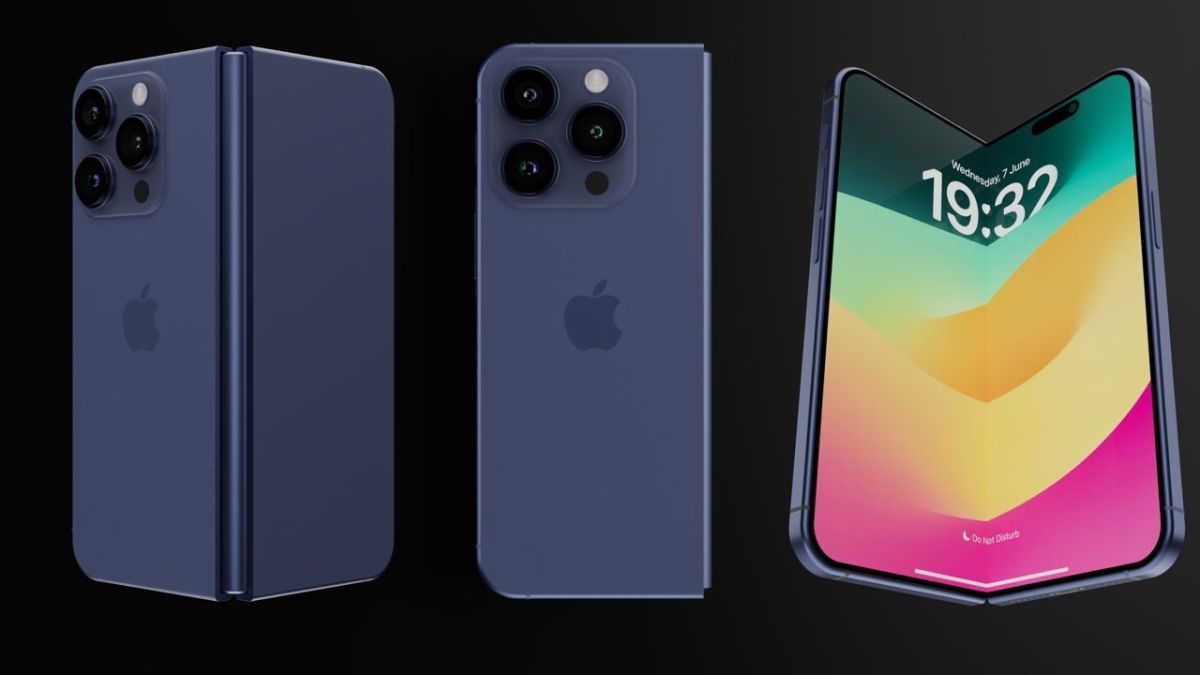
And then there's the foldable question. Rumors persist that Apple plans an iPhone Fold with its own timetable, potentially announced earlier in the cycle and shipping later in the year; that project runs on a separate engineering track but will influence how Apple stages marquee announcements and supply. If you track timing expectations for the foldable, this remains another variable in Apple's 2026–27 product choreography. More on that here: iPhone Fold timing.
The pieces fit into a sensible picture: incremental design wins this year, meaningful battery and silicon upgrades for flagship hardware, and continued R&D toward a genuinely uninterrupted display. Whether every rumor pans out — the exact battery sizes, the timing of the base iPhone's release, or the feasibility of under‑display Face ID — remains to be seen. But for users tired of small step changes, these leaks point to a season where Apple is both tidying up the front of the phone and addressing the back‑of‑the‑phone problem that matters most to many: how long it actually lasts on a single charge.
One last thing: when incremental design becomes near‑seamless design, you'll notice it most on the things you do every day. The question now is how soon Apple will make that subtle difference feel obvious.