Apple quietly chopped hundreds off the price of the iPhone Air this week — an unusual move for a current-generation iPhone that has traditionally held its list price until a successor arrives. In the U.K. the 256GB Air briefly fell to £699 on Amazon (down from £999), and in India the handset is listed around Rs 93,499 (with bank offers taking the effective price toward Rs 89,499). Those discounts have retailers and analysts asking whether Apple is simply clearing stock, responding to soft demand, or resetting expectations for a thinner flagship category.
A rare, direct discount
This wasn't a corner-store sale. MacRumors noted the price cuts appeared on Apple’s official storefront on Amazon in the U.K., and multiple color and capacity options showed reduced pricing. Apple almost never discounts current iPhones through its channels, which makes this move notable. TechRadar’s reviewer — who has praised the Air’s industrial design and everyday speed — went further and called the deal “the easiest recommendation I’ll make all year” at the lower price.
If you’re shopping, the discounted listings were visible on Amazon — you can check availability on Amazon for the moment. The price cadence is striking: the Air has already been discounted to £899 and £799 in previous sales windows, but £699 is the lowest recorded retail price for the model so far.
The Air: impressive on paper, divisive in the market
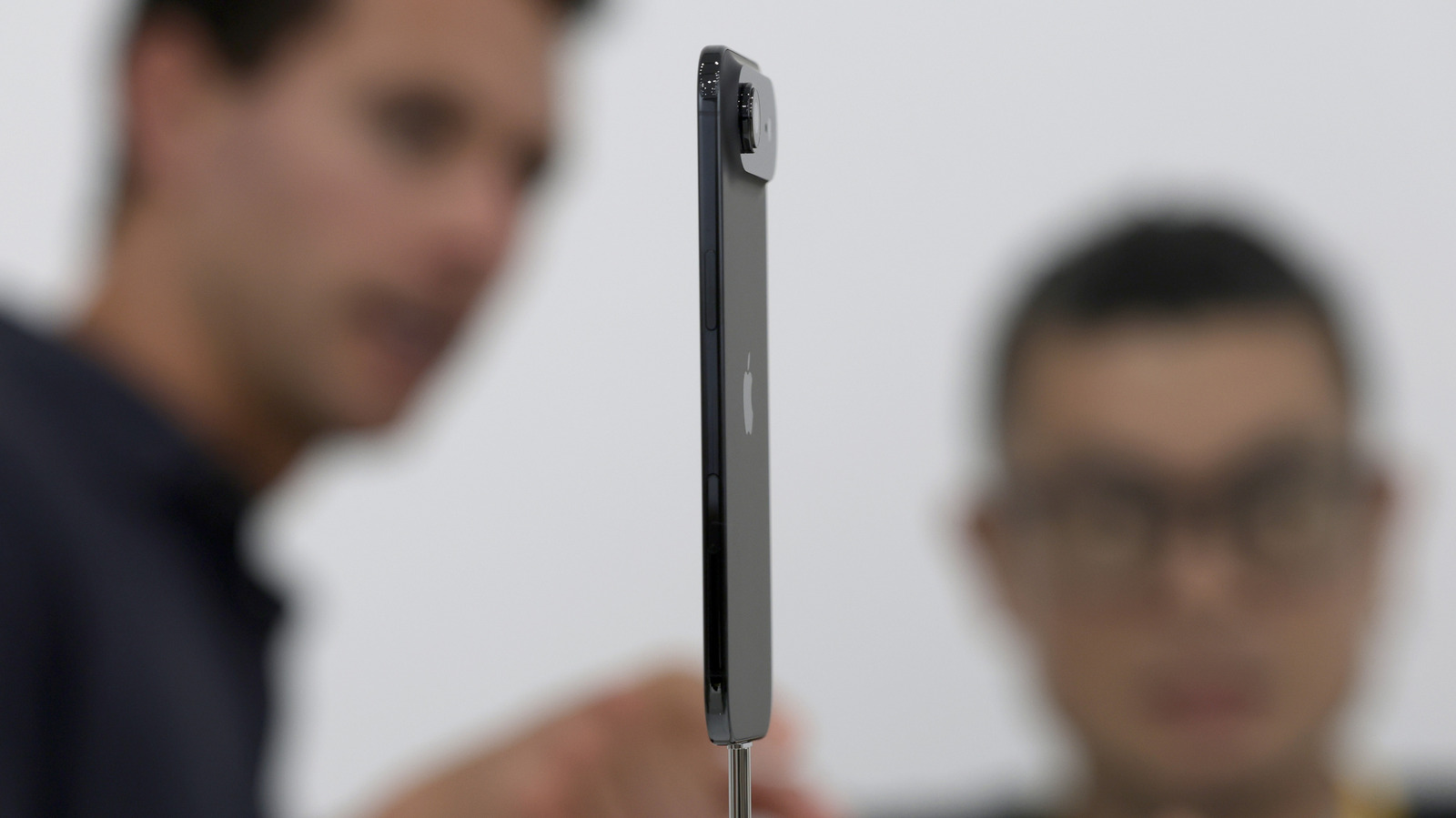
Design is the Air's calling card. At 5.6mm thick and with a lightweight titanium frame, it’s Apple’s skinniest iPhone to date. Inside it packs the A19 Pro chipset (shared with the iPhone 17 Pro family), a 6.5-inch 120Hz OLED, and a 48MP Fusion main sensor. TechTimes’ hands-on testing highlights that the phone handles gaming and multitasking well and that the camera produces solid daytime and low-light shots for a single-lens phone.
But specifications don’t tell the whole story. Reviewers have repeatedly flagged compromises: single-lens camera versus the multi-camera Pro options, battery life that trails the 17 Pro family, and an asking price that originally landed just $100 below a Pro model — a tough sell for bargain-minded buyers who expect Pro-level photography and endurance at that price point.
Sales have been weak — and Apple appears to have reacted
Analysts and supplier reports paint a clear picture: demand for the Air underperformed. A KeyBanc survey described “virtually no demand” for the model, Ming-Chi Kuo reported sharp production cuts (some suppliers told to reduce capacity by more than 80%), and production lines for the Air were reportedly dismantled at Foxconn and halted at Luxshare. Mizuho Securities found the Air captured a tiny fraction of iPhone 17 series sales. Taken together, the steep Amazon discounts look less like a marketing experiment and more like inventory management.
Apple also appears to be recalibrating the product roadmap. Reports say a second-generation Air was delayed, and that the company is considering adding a second rear camera for the next version — changes that would respond directly to the primary consumer complaints about the first Air.
The Air’s existence has ripple effects across the industry
One oddity of the Air saga: it has altered competitors' plans. Several Android vendors reportedly shelved or reworked their ultra-thin projects after seeing the Air’s lukewarm reception. Yet being thin remains a design ambition — sometimes achieved in surprising ways. BGR’s roundup reminds us that Androids, including concept phones and foldables, have long pushed thinner profiles than the Air. Samsung’s triple-fold Galaxy Z TriFold and Honor’s Magic V6 foldable, for instance, feature sections slimmer than the Air when unfolded; Tecno’s Atom concept even showed a sub-5mm design on stage. The foldable approach shows how companies are chasing thinness without sacrificing battery or camera hardware — by unfolding more surface area rather than shaving down single-body internals.
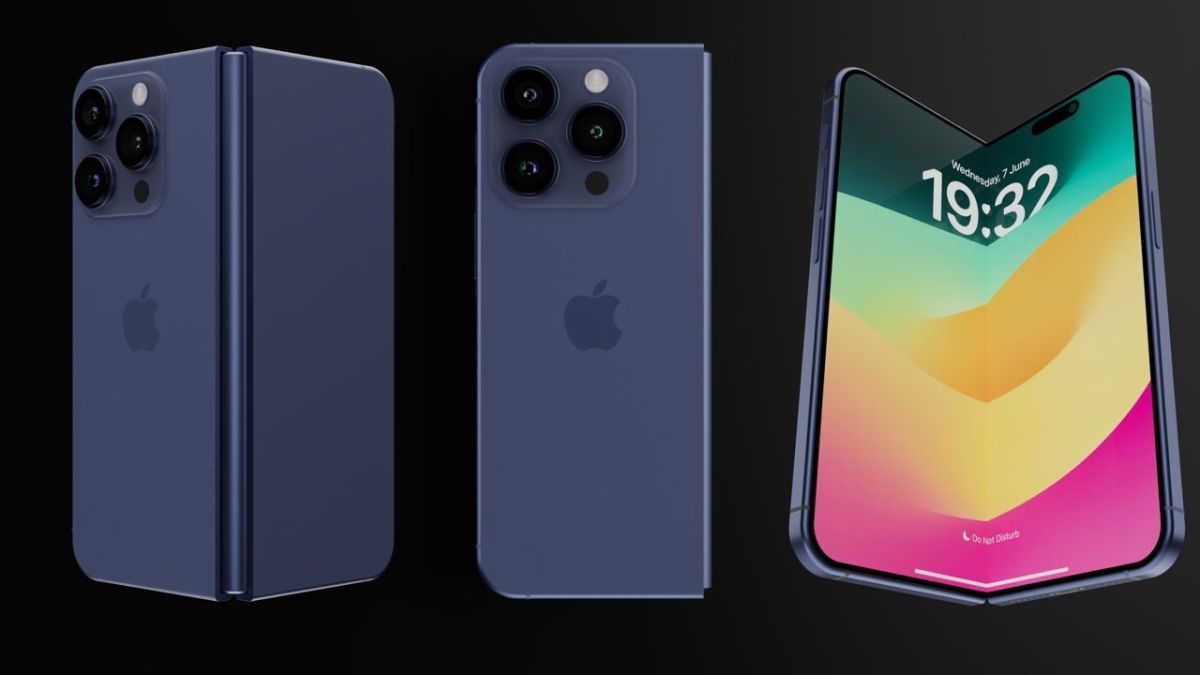
If you want a deeper read on foldable timing and strategy, the rumored iPhone Fold is already being positioned as Apple’s answer to that shift. And if you’re tracking how Apple will rebalance camera and battery choices across future models, recent chatter around the iPhone 18 Pro offers useful context.
Who should buy the Air at the discounted price?
If you prize design and daily snappiness over camera versatility and the longest battery life, the Air becomes a compelling option at the reduced price. It’s light, fast, and feels like a luxury object in the hand. But if you need multiple lenses, endurance for multi-day use, or the best possible speakers and media experience, the standard iPhone 17 Pro or Pro Max still deliver more tangible benefits.
Apple’s markdowns also create a narrow window for buyers who have been curious but hesitant; a £699 Air behaves very differently in the marketplace than a £999 one. Whether those prices persist or were a short inventory-clearance play remains uncertain.
The iPhone Air’s price tumble is more than a discount headline. It’s a hint of how product design, consumer priorities, and global supply decisions interact — and a reminder that being the skinniest on the block isn’t always enough to win the market.