Three months after its splashy debut, Samsung is winding down sales of the Galaxy Z TriFold — a handset that looked more like a bold laboratory prototype than a mass-market smartphone.
Samsung will stop selling the $2,899 TriFold first in Korea and then in the U.S. once remaining inventory clears, according to reporting based on company comments. The phone’s listing already appears as “sold out” online in several markets, and Samsung Experience Stores that still have units are likely to be the last retail outposts where you can buy one in person.
An engineering showpiece with a brutal price tag
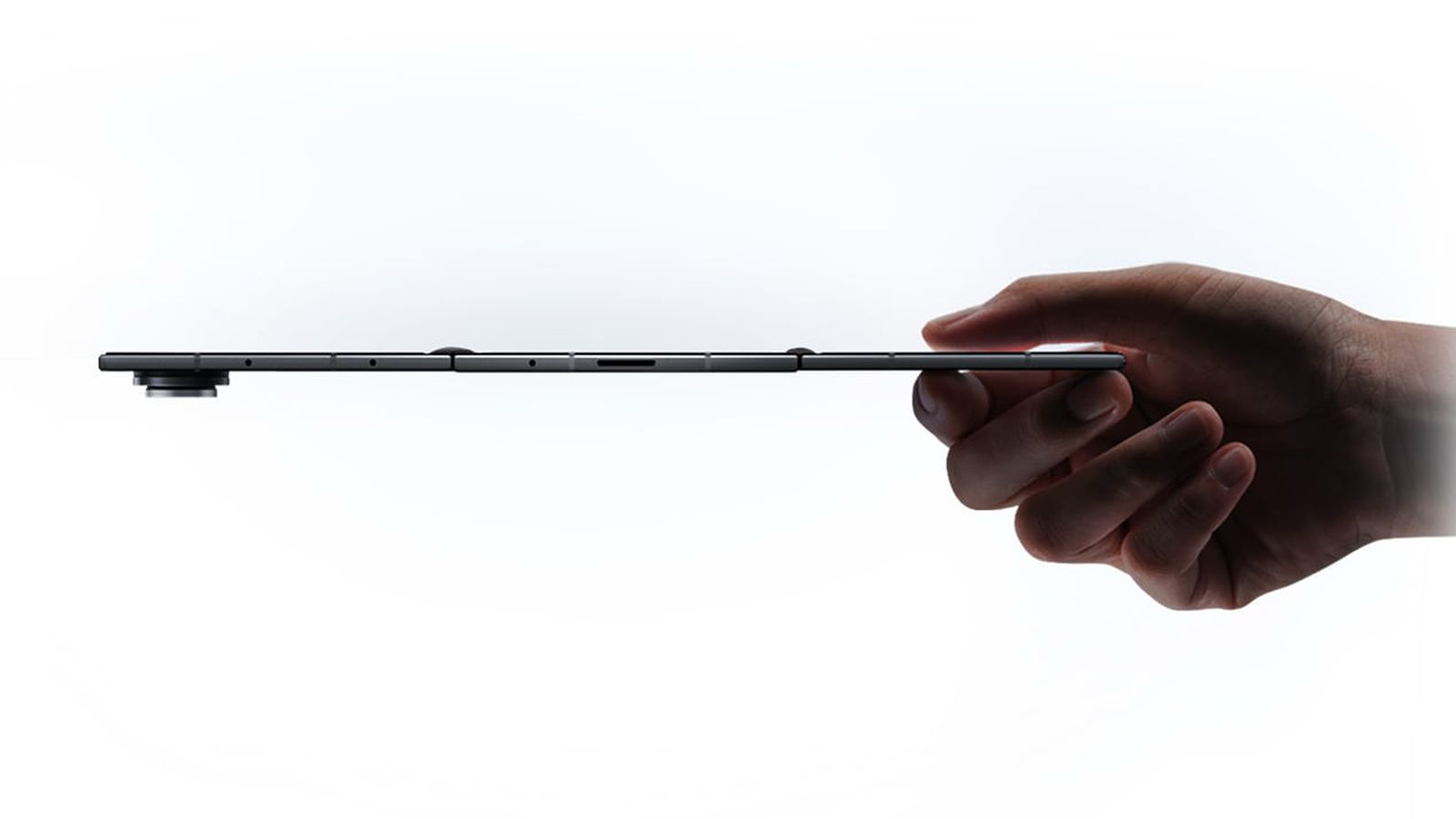
On paper the TriFold is a headline-grabber: a three-pane folding OLED that opens to roughly a 10‑inch display and collapses to a 6.5‑inch cover screen, with Samsung stressing "minimized creasing." The device uses a three-cell battery system (totaling about 5,600 mAh), and its camera hardware includes a 200MP wide sensor, a 12MP ultra wide and a 10MP telephoto with 3x optical zoom, plus selfie cameras on both the cover and main screens. Those specs read like cutting-edge R&D squeezed into a single, fragile chassis.
All that engineering came with steep manufacturing costs. Reports point to high component prices, complex hinge mechanisms and limited production runs (Korean outlets cited roughly 6,000 units sold domestically) that combined to make decent profit margins — if any — extremely hard to find. Put bluntly: Samsung appears to have decided it wasn’t worth making more at the price needed to cover costs.
Scarcity, speculation and sketchy resale listings
Part of the TriFold story has been scarcity that felt half‑intentional. The phone sold out rapidly online in the U.S., and Samsung declined to send review units to many outlets, leaving journalists to chase retail stock. That vacuum encouraged a bustling gray market: sellers on marketplaces listed TriFolds for well above retail, sometimes north of $4,000, and at least one reviewer’s experience buying a used unit raised red flags about tampering and questionable software behavior.
Those resale hassles illustrate another problem for devices that are made in tiny batches: buyers who want one quickly often end up paying premiums and taking risks. If you’re tempted to hunt for one on the secondary market, proceed cautiously — and be skeptical of devices that arrive already configured or demanding odd setup steps.
Why Samsung might have pulled the plug
Several forces likely converged. Manufacturing complexity and high component costs are the most obvious culprits; making a reliable three‑hinge foldable at scale is expensive. There were also early durability concerns from reviewers and owners that would only amplify warranty and repair expenses at scale. Finally, the TriFold may have been meant more as a technology demonstrator — a way to signal ambition, steal headlines and test concepts — rather than as a product intended for long‑term mass production.
Samsung’s own executives haven’t closed the door on the ideas behind the TriFold: elements such as a wider aspect tablet-style display could seed future Fold and Flip models rather than return as a standalone three-fold phone. If you want to dig deeper into the cost and repair side of owning one of these rare devices, our related coverage on repair costs and scarcity explains why the economics are so unforgiving.
The industry context
This isn’t the only maker experimenting with extra folds: other companies have introduced multi-hinge devices, sometimes limited to select regions. Huawei, for example, has already moved to a second-generation trifold model but has kept that hardware mostly in China. The quick discontinuation of Samsung’s TriFold underscores how the foldable market is still an experimental arena — a place for design bets that may or may not survive commercial realities.
Samsung’s broader product strategy still favors innovation in other directions. Features and ideas from niche devices often migrate into more mainstream phones — a tactic you can see in other recent Samsung moves, like attention to unique display properties and privacy-focused screen tech that appear across the S-series and beyond. For context on where Samsung is placing those bets, see our piece on the company’s ad and privacy-display experiments in recent S-series marketing here.
If nothing else, the TriFold will probably live on as a collector’s oddity and a case study: an ambitious design that pushed engineering boundaries but failed to find a sustainable, profitable path. For buyers who want a large-screen foldable experience without the drama, Samsung’s more conventional Fold and Flip models remain the safer, cheaper options — and likely the place where TriFold lessons will quietly show up over the next few product cycles.