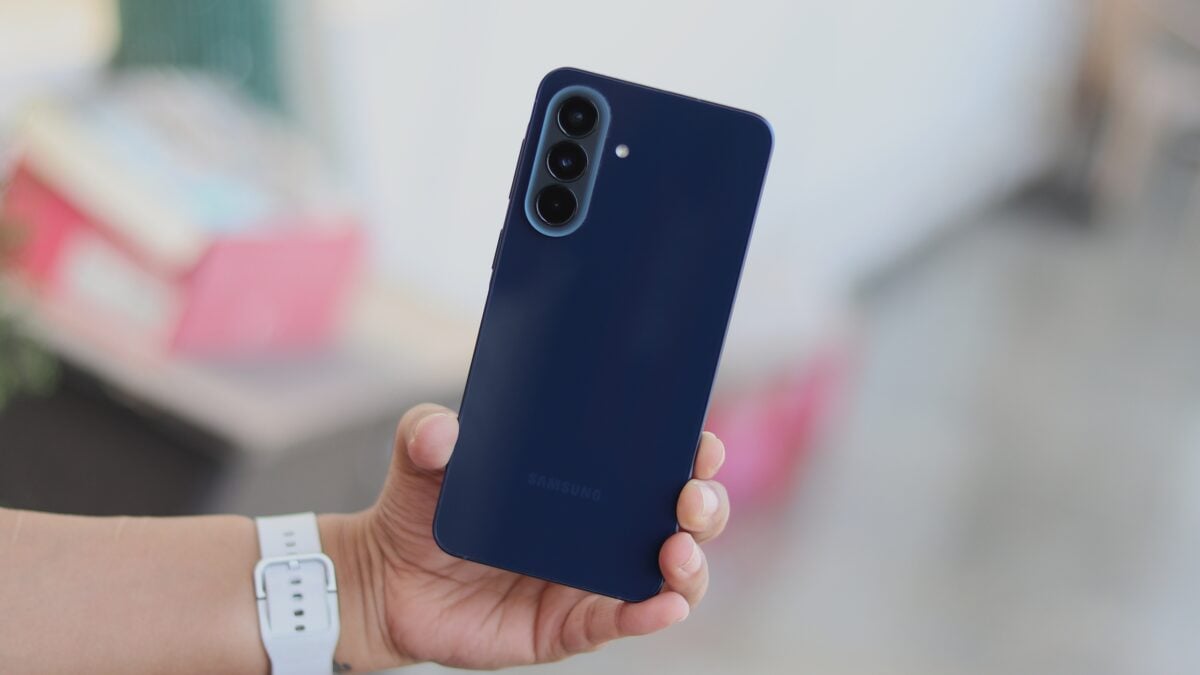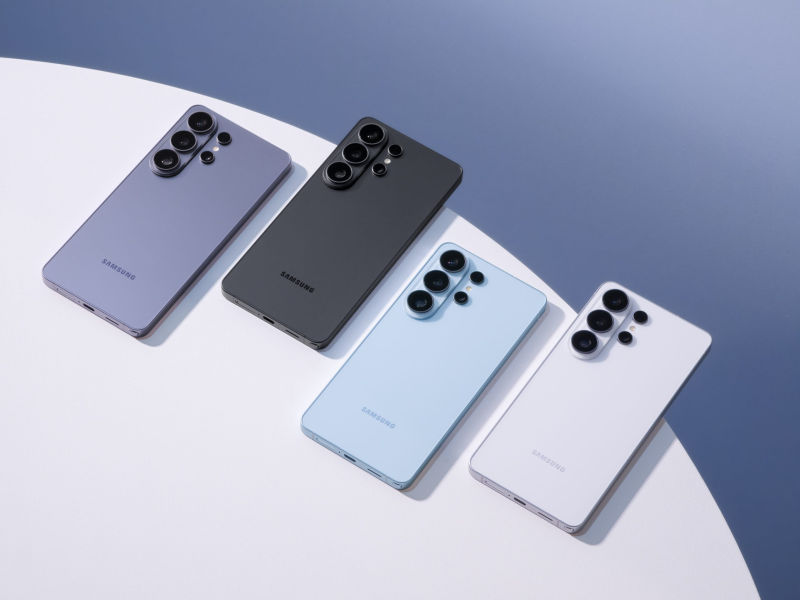
Samsung appears to be quietly nudging up prices on some of its most expensive phones — but only for certain storage tiers and only in its home market, South Korea. Reports say the Galaxy Z Fold7, Galaxy Z Flip7 and the Galaxy S25 Edge will see modest increases for 512GB and 1TB variants, effective as soon as April 1.
What’s changing
According to multiple local reports, the 512GB versions of the Fold7, Flip7 and S25 Edge are being bumped by roughly 100,000 won (about $65), while the 1TB Galaxy Z Fold7 could rise by nearly 200,000 won (roughly $130). Crucially, entry-level 256GB models reportedly remain at their current prices.
On paper these are not huge leaps — especially compared with some recent gaming console and PC parts price moves — but they matter because these are already high-margin, high-ticket devices. For buyers who habitually opt for larger storage capacities, this is a noticeable extra cost.
Why Samsung might be doing it
There isn’t a single smoking gun; it’s a handful of pressure points converging.
- Memory prices have been volatile. AI-driven demand for high-bandwidth memory and server DRAM has tightened supply and pushed components higher in many cases. Even if spot DDR5 prices have shown signs of easing recently, industry checks suggest sustained elevated demand for certain memory types that keeps costs up.
- Geopolitical disruptions are playing a role. Some reports point to fallout from the Iran conflict affecting logistics and even supplies like helium — a small but critical material in semiconductor fabs used for cooling and cleaning — which can ripple into manufacturing costs.
Put together, those factors create what some outlets have called “chipflation”: rising BOM (bill of materials) costs that manufacturers either absorb or pass on to customers. Samsung is apparently choosing the latter — selectively, for now.
A targeted approach with a PR angle
Limiting the increases to higher-capacity models makes the move less conspicuous. The company preserves attractive “starting at” prices for each line while still improving margins on the more expensive configurations — the ones that typically have the biggest single-device component cost swings.
That approach also lets Samsung avoid a headline-grabbing across-the-board hike, which would sting more and draw louder criticism.
Will this spread beyond Korea?
Possibly. The initial reports place the changes in South Korea only, but Samsung has recently shown a willingness to adjust pricing regionally: some of its product launches and lineups (including the S26 family) launched with higher pricing in multiple markets. If component pressures persist, local adjustments could roll out elsewhere — though they’ll almost certainly be tuned to local currencies and market dynamics rather than mirror the won increases 1:1.
This isn’t unprecedented: Samsung has recently tweaked pricing on mid-range A-series models, too, when component and logistical pressures required it. Those moves suggest regional experimentation is part of the company’s playbook rather than a one-off.
What it means if you’re shopping
If you were planning to buy a high-capacity Fold7, Flip7 or S25 Edge in the near term, it’s worth checking prices now — the increases are small relative to the total cost but add up. Buyers who don’t need extra storage can stick with 256GB models and avoid the bump entirely.
For the broader market, the change is another sign that smartphone prices aren’t immune to the same supply-and-demand stresses affecting PCs, servers and consoles. As AI continues to shape demand for memory and semiconductors, expect manufacturers to make granular pricing decisions rather than blanket hikes.
This move also follows Samsung’s recent pricing nudges elsewhere in its lineup, including its mid-range A-series updates and the higher launch prices seen with the S26 family, so it’s part of a larger pattern rather than an isolated incident. For background on Samsung’s recent A-series adjustments, see reporting on the A57 and A37 refresh. And for context on the S26 launch and its market positioning, you can read about the S26’s recent feature and launch coverage here.
For now, keep an eye on official Samsung channels for confirmation and localized pricing details; the company hasn’t issued a worldwide statement about a global roll-out. The real story isn’t just the few won here or there — it’s how component markets and geopolitics are quietly reshaping what consumers pay for flagship hardware.