Zack Nelson — better known online as JerryRigEverything — just did something rare: he tore down a phone the public never got to buy and proved how close LG came to changing the playbook for pocket devices.
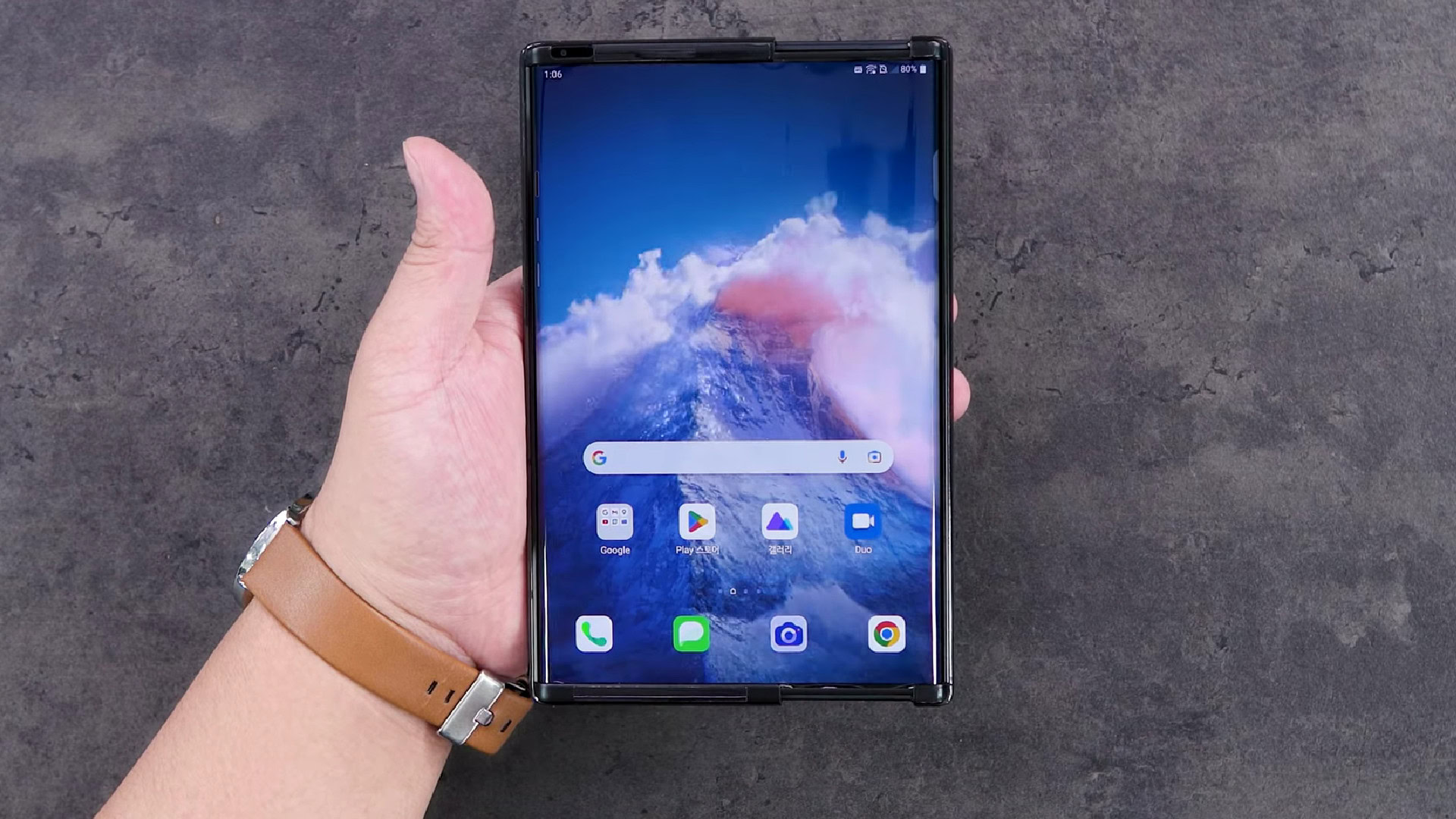
The device in his hands is the LG Rollable, a near-finished prototype first teased at CES 2021 and quietly buried when LG exited the smartphone business. The teardown video reads like a time capsule: motors, rails, and a flexible OLED that unfurls with the sort of mechanical choreography you usually see in sci‑fi films rather than factory floor mockups.
A scroll, not a hinge
Instead of a folding hinge, the Rollable stretched its active screen out of a conventional phone frame — think of a high‑tech scroll that slides into place. In everyday terms, the panel expanded the handset from a conventional phone size (around mid‑6 inches) to roughly 7.4–7.5 inches diagonally, giving you tablet‑adjacent screen space with no visible crease.
The motion wasn't purely mechanical theater. LG added software flourishes: animated wallpapers that grow with the display, automatic layout adjustments when watching video, and a clever rear‑window trick where part of the flexible OLED tucks under the back glass to act as a tiny always‑on surface for widgets or camera previews.
Nelson noted the device even plays a whimsical sound effect while the motor runs — a small human touch that made the mechanism feel intentional, not experimental.
What’s under the glass
The teardown revealed an impressively detailed mechanism:
- Two geared motors at the top drive the roll via a rack‑and‑pinion style setup.
- A zipper‑like linkage along the display edges and metal guides keep the panel aligned as it extends.
- Three spring‑loaded arms push and stabilize the flexible section so it expands evenly instead of wobbling.
- A dust‑blocking cage lined with hair‑fine bristles protects the rolled portion when stowed.
LG claimed the system was rated for around 200,000 cycles — a number meant to reassure buyers about longevity. Remove the glass and peel away the layers, and you see why reviewers have called the design both brilliant and “overengineered”: it’s elegant in concept but complex to manufacture.
Familiar hardware, unusual packaging
The rest of the phone reads like a flagship of its era: a 64MP main camera with OIS, a 12MP ultrawide, a 4,500mAh battery, a rear fingerprint sensor that doubles as the power button, USB‑C, and the usual SoC, RAM, and storage you'd expect. The flexible display had a plastic protective top layer (yes, it can be scratched like other flexible screens), but the active engineering was focused squarely on the rolling mechanics.
What surprised Nelson — and everyone watching — was that the device survived a full disassembly and then powered back on. That speaks to how polished the prototype actually was.
Why the Rollable still matters
Rollables never became mainstream, not because the idea lacked merit, but because market momentum pushed foldables into the spotlight instead. Folding phones have made steady improvements, but they keep struggling with creases, thicker builds, and hinge complexity. Rolling avoids the hard crease entirely and offers a different set of tradeoffs: mechanical complexity instead of a single stressed fold.
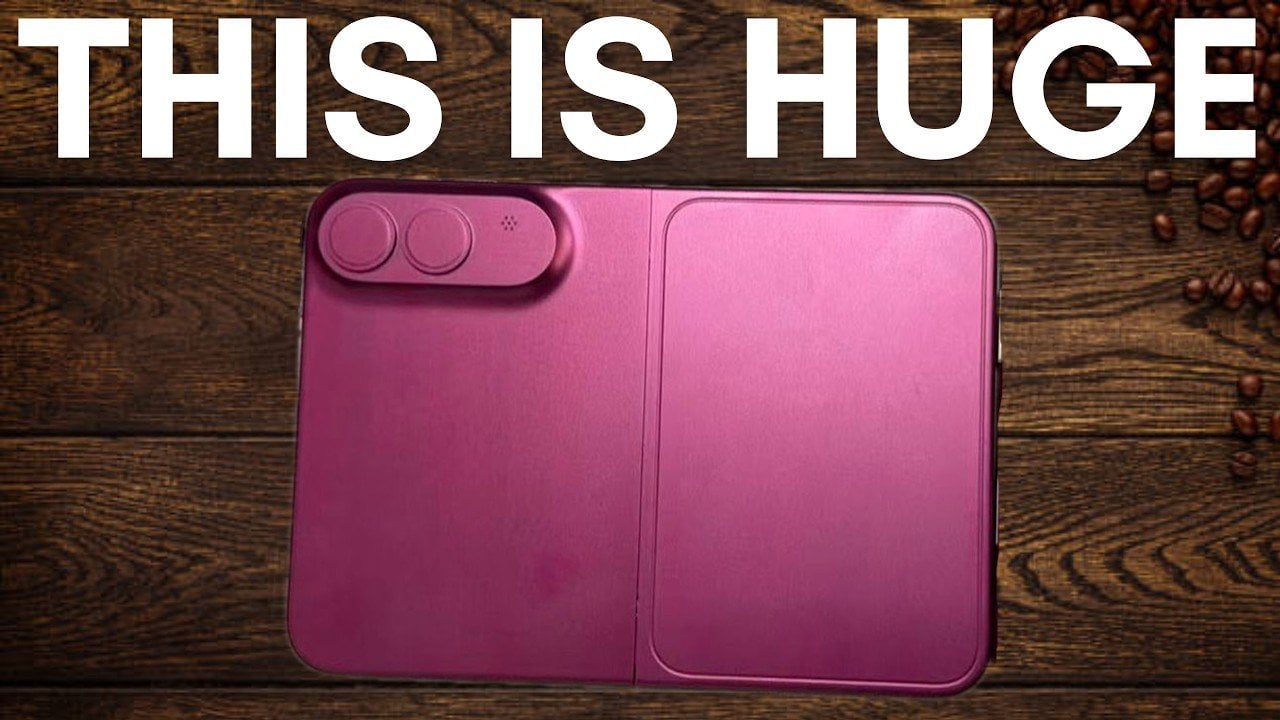
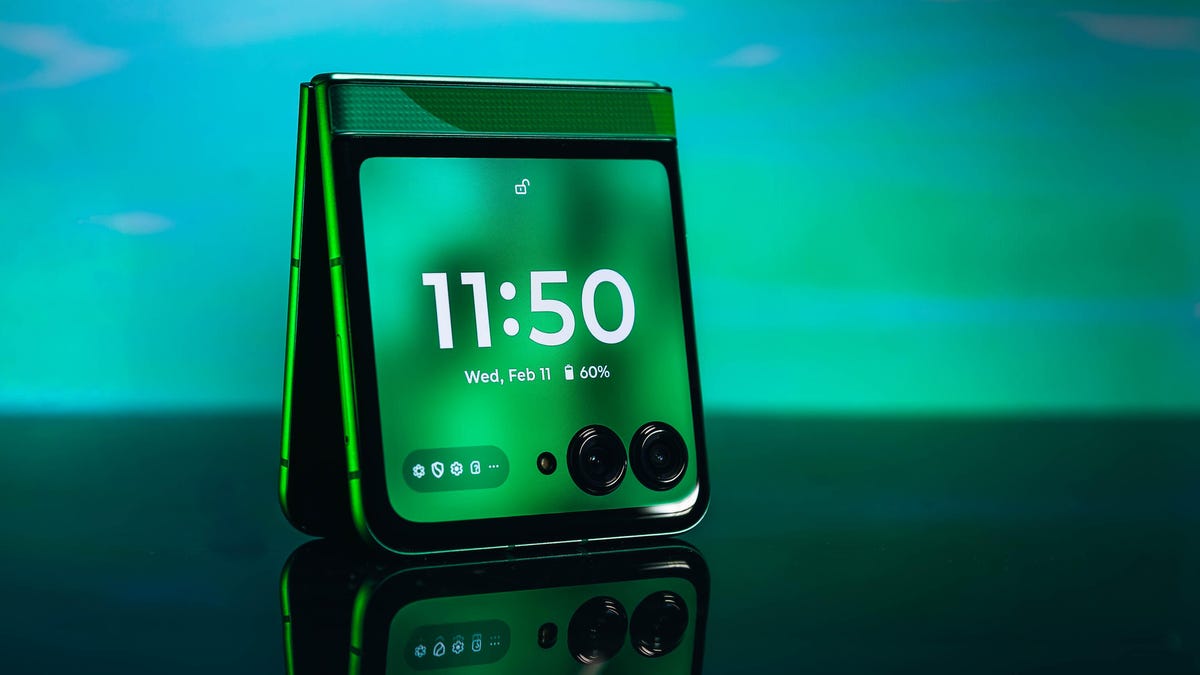
We saw echoes of the rollable idea again this year with slidable concepts shown by other companies — and as foldables mature (for example, recent launches such as the Motorola Razr Fold preorder models illustrate), manufacturers are exploring every alternative to improve screen real estate and durability. Even rumored entries like the iPhone Fold show how much the industry is chasing form‑factor experimentation.
The awkward truth: brilliant, but hard to scale
Watching the teardown, it’s clear LG’s engineers solved many practical problems: alignment, dust ingress, motor control, and user feedback. But “solved” in a lab or for a few prototypes doesn't equal a cheap, high‑yield production line. Those zipper links, bristles, twin motors, and spring arms all add cost and assembly steps — which is probably why companies that stuck with foldables have done so from a supply‑chain and cost perspective.
Still, the Rollable is a reminder that alternate paths exist. It’s one thing to prototype novelty; it’s another to refine it enough to ship millions. LG never got to take that step, but their work now reads as a handy blueprint for anyone trying to make rollables viable at scale.
The teardown is more than nostalgia. It’s a technical scorecard and a dare: make something better, but also cheaper and easier to build. Manufacturers are trying; whether rolling displays find their moment or remain a fascinating sidestep depends on whether someone can marry that cleverness with mass production economics. For now, though, the Rollable sits in the middle — a nearly launched, thoroughly engineered what‑if that still makes today’s phones look a little conservative.