Could a phone that looks like an accessory become the next mainstream foldable? Motorola is betting on it.
The company has spent the past year dressing the Razr in collaborations, special finishes and aggressive discounts — and it’s paying off. Counterpoint Research recently put Motorola at the top of foldable growth, claiming the brand now accounts for roughly 44% of the niche’s sales. That momentum comes from two clear plays: making the clamshell Razr feel fashionable and keeping its price within reach of mainstream alternatives.
Style as a selling point
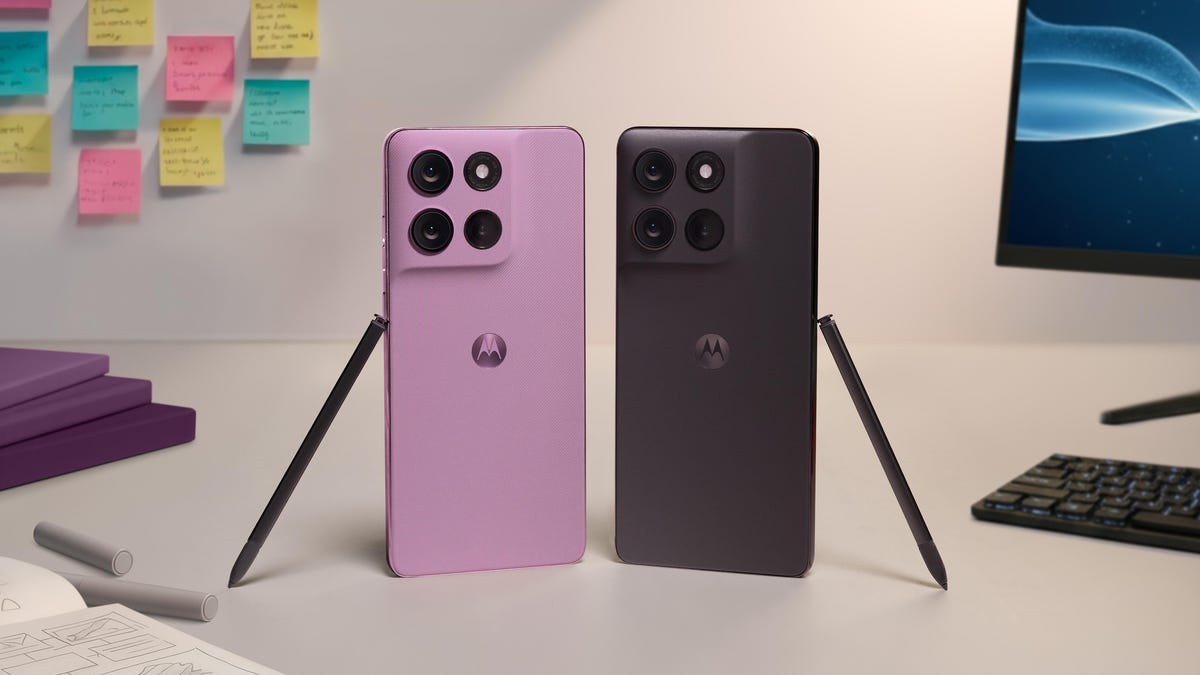
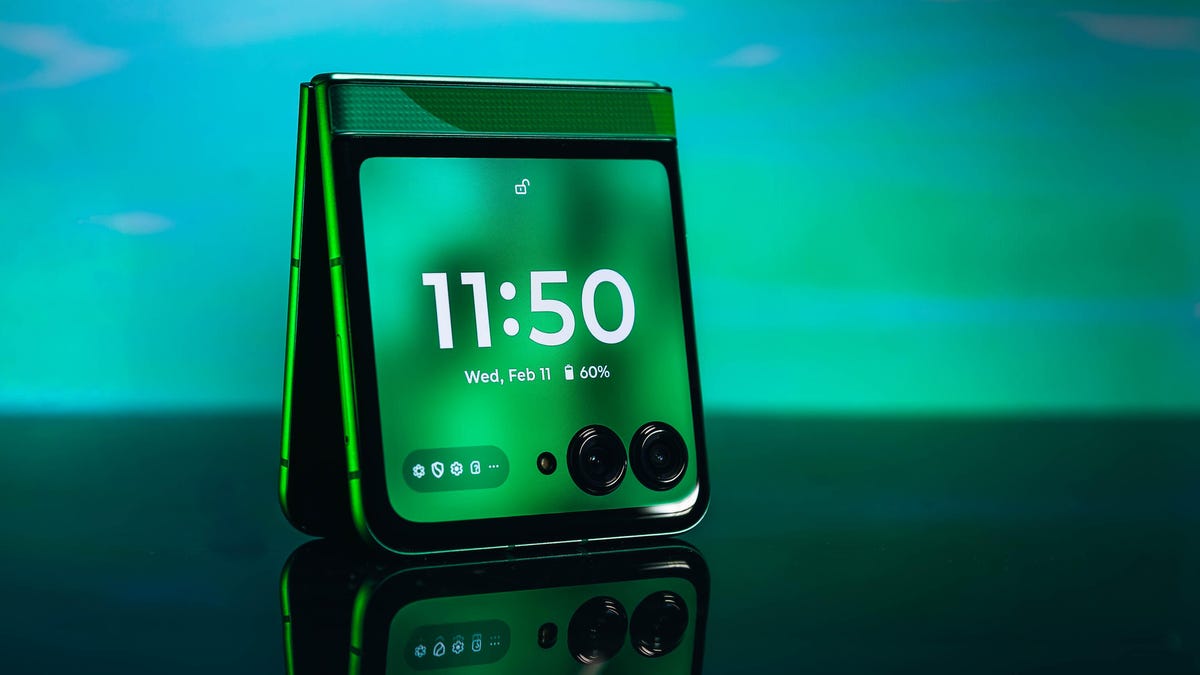
Motorola turned design into more than surface-level flash. From Swarovski-crystal editions to a two-tone FIFA World Cup model, the Razr has been positioned as a statement device rather than just another glass slab. Tipsters and renders suggest that playful material choices will continue into 2026: a darker "Pantone Cocoa Wood" finish and an "Orient Blue Alcantara" option have leaked for the Razr Ultra, alongside rumors of fabric and carbon-fiber textures and colors like Hematite, Bright White, Sporting Green and Violet Ice. Those ideas aren’t just cosmetic — they help the Razr stand out in a market where most phones look similar.
If the leaks hold, the Ultra will largely keep the foldable formula users liked: a large inner display paired with a practical cover screen and a horizontal dual camera array that reads more like a fashion-forward object than a technical exercise. See the earlier hands-on impressions and leak roundup for more on the rumored finishes and lineup here.
A fold that aims higher (and China matters)
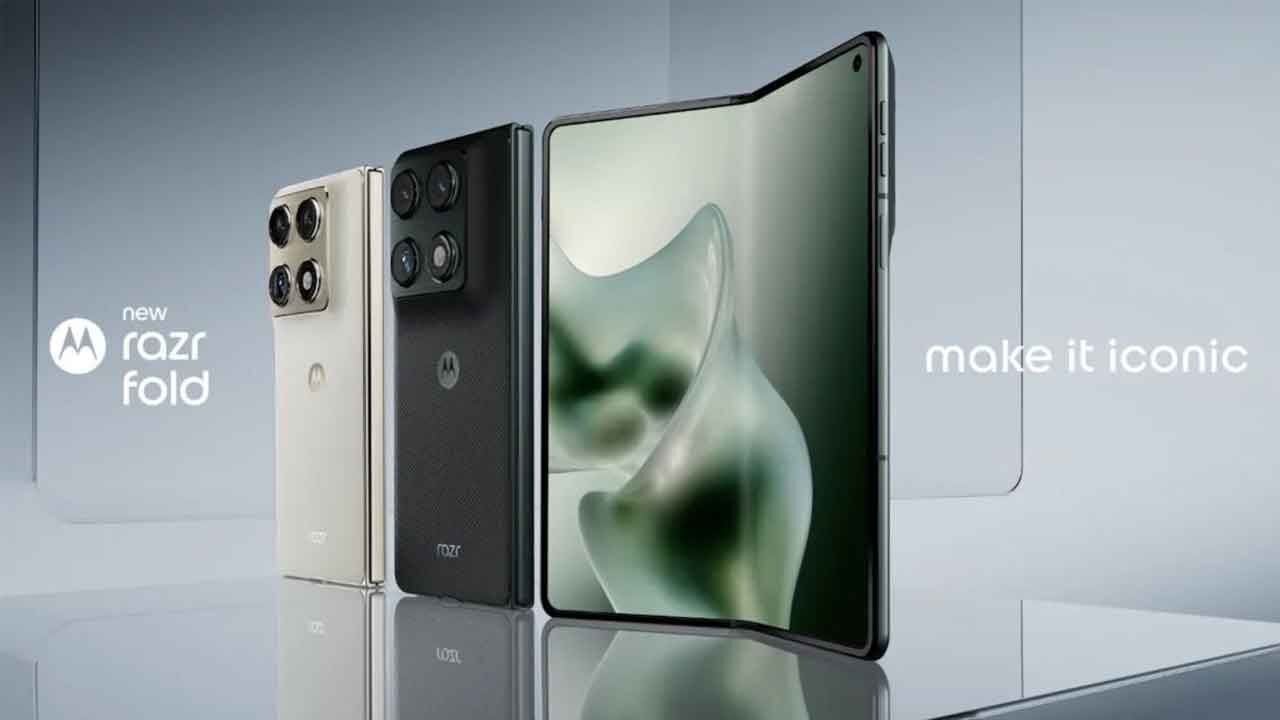
Motorola isn’t only courting style-conscious buyers. It’s also entering the thicker end of the foldable market with the book-style Razr Fold — a device designed to compete directly with Samsung, OPPO and Honor. Pre-reservations for the Razr Fold opened in China with orders slated to begin April 10; the global launch pricing was €1,999.
The Razr Fold’s spec sheet shows Motorola wants to be taken seriously: a Snapdragon 8 Gen 5 (the standard Gen 5, not Qualcomm’s highest-end Elite variant), an 8.1-inch 2K LTPO inner display at 120Hz, a 6.6-inch 165Hz outer screen, and a surprisingly large 6,000mAh battery with 80W wired and 50W wireless charging. Motorola also bundled the Moto Pen Ultra and highlighted camera chops — a triple 50MP array earned a DXOMARK Gold label, scoring 164. These details and the China push suggest Lenovo/Motorola plans to fight for attention in markets where foldables are growing fast; the company’s official specs and preorder information are summarized in our earlier coverage here.
Price discipline, software promises and the iPhone crowd
What really sets the lower-cost Razr apart is price. The 2025 Razr launched at $699 and regularly saw discounts to about $600, making it the most affordable new-condition foldable many buyers could find. That aggressive pricing has helped convert users who might otherwise buy an iPhone or a midrange Pixel. Motorola itself says roughly a quarter of new Razr activations come from customers switching from iPhone.
To capture more of those switchers, Motorola needs to keep pushing two fronts: make switching painless (better eSIM and data-transfer tools, smoother cover-screen experiences) and extend software support. Currently the Razr lineup gets about three years of platform updates and four years of security patches. Many would argue that matching longer update windows — similar to the multi-year commitments from Google and Apple — pays off in consumer confidence and resale value.
Interoperability also matters: Android and iPhone features are inching toward better coexistence (for example, Quick Share and AirDrop compatibility is arriving on some Android phones), and Motorola can lean into those transitions to make jumping ship less friction-filled. For background on platform sharing, see how manufacturers are approaching cross-platform transfers and compatibility here.
The strategic balance
Motorola’s playbook is clear: use bold design and fashion-first editions to lure attention, keep the base Razr priced to convert fence-sitters, and add a premium Razr Fold to stake a claim at the top of the foldable pile. The risk is familiar — over-freighting the Razr with hardware upgrades could push prices up and erode the very advantage that helped it grow.
For now, Motorola looks prepared to keep the Razr’s identity rooted in style and value while planting a serious flag for high-end foldables with the Razr Fold. Whether that combination proves durable will come down to execution on software support, switching tools for iPhone users, and whether those eye-catching finishes translate into sustained consumer demand.
If you’re tracking Motorola’s foldable ambitions, the next few quarters will be revealing: will fashion and affordability be enough to turn a niche into a broad market, or will rivals win the durability and update wars? Either way, the Razr family has stopped being merely a novelty — it’s shaping up into a purposeful lineup with a clear set of bets.