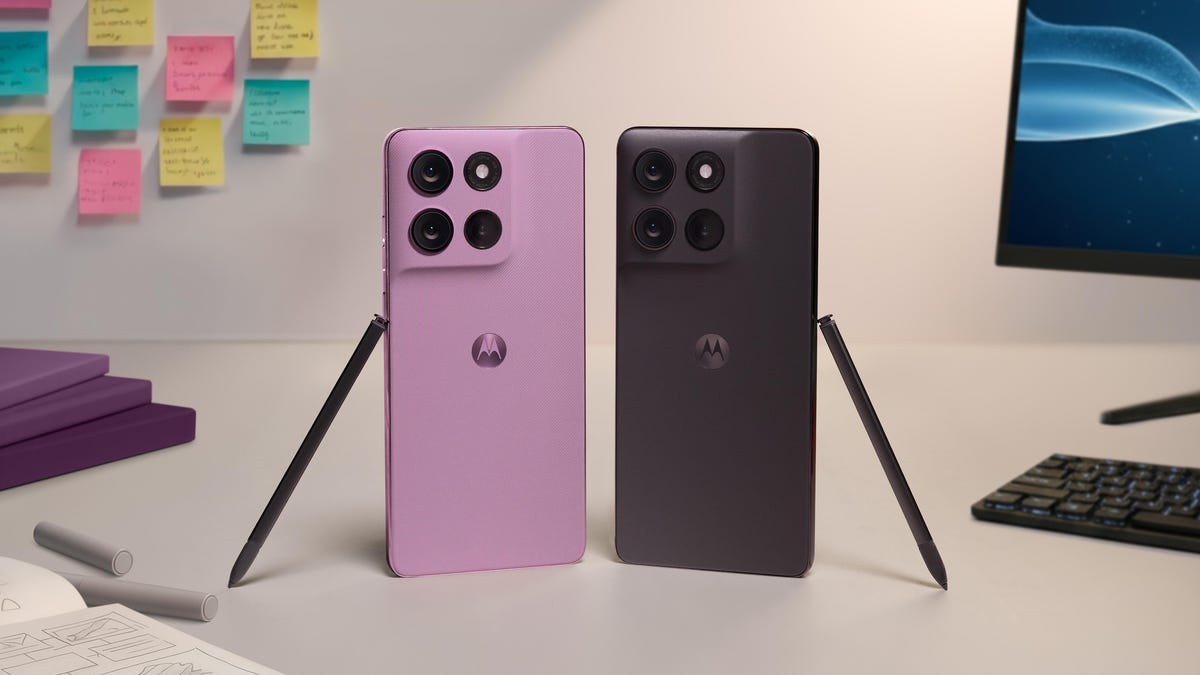
Ask any sketch-happy student or on-the-go note taker what they want from a midrange phone and you’ll hear the same two words: a real stylus. Motorola answered that plea with its 2026 refresh: the moto g stylus gains a built-in active pen that responds to tilt and pressure, plus a surprisingly bold pair of specs and features for a $499 phone. It also launched the moto pad, a modestly priced 11‑inch tablet that marks Motorola’s return to US carrier shelves.
A pen that finally behaves like a pen
This generation’s headline is the stylus itself. It’s powered (so it senses pressure and tilt in supported apps), gestures are baked in — hover to magnify text, drag-and-drop images into Notes, Quick Clip to snag text — and Motorola says the pen recharges quickly while slotted in the phone. Battery numbers are specific: up to about 100 hours of standby and nearly four hours of active writing, with a full top‑up in roughly 15 minutes.
Those are features you normally see on pricier phones. Motorola pairs them with a suite of AI tools in its Notes app — think Sketch to Image and a Handwriting Calculator — using Android 16 and Google Gemini to bridge doodles and finished images. You can read Motorola’s full announcement on its site for the feature list and legal fine print Motorola press release.
Specs that punch above the price tag
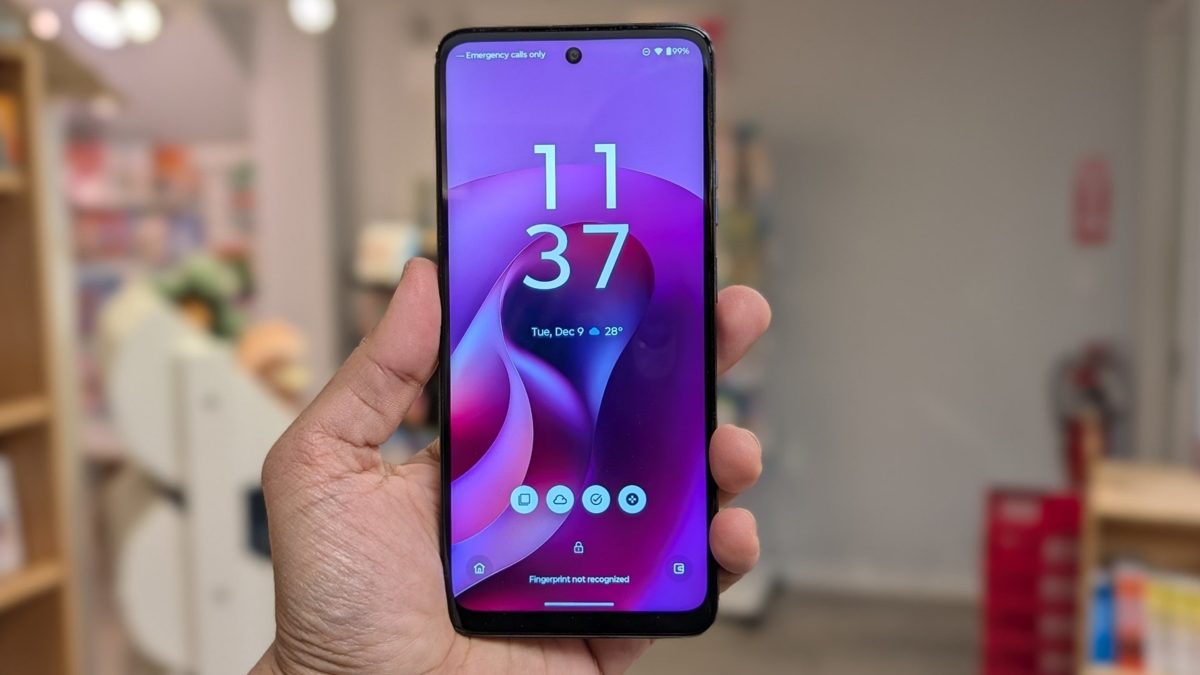
The new moto g stylus has a 6.7‑inch Extreme AMOLED panel at 1.5K resolution, a 120Hz refresh rate and a claimed 5,000‑nit peak brightness in some scenarios — bright enough for tricky outdoor viewing. The main camera is a 50MP Ultra Pixel sensor (Sony LYTIA 700C) with OIS, backed by a 13MP ultrawide and a 32MP selfie cam. Motorola also keeps a headphone jack, offers 68W wired charging plus 15W wireless, and dresses the phone in IP68/IP69 ingress protection and SGS‑tested MIL‑STD toughness.
Not everything is an upgrade: storage starts at 128GB on the $499 model, while last year’s $400 version offered 256GB. You can expand with microSD, or pay $600 for 256GB. Those pricing choices and Motorola’s update policy (two years of major OS updates, three years of security) are worth weighing against rivals that promise longer support. For example, Google’s Pixel 10A and some Samsung A‑series models have more generous upgrade timelines; readers comparing midrange options may find Samsung’s new A57 and A37 a useful reference.
The moto pad: a humble comeback
Motorola didn’t stop at phones. The moto pad (11", 2.5K, 90Hz) is aimed squarely at students and media consumers: quad Dolby speakers, a 7,040mAh battery rated for up to 12 hours of streaming, and a MediaTek D6300 5G chip that brings cellular connectivity to a $249 price point through T‑Mobile and Metro by T‑Mobile. It’s a pragmatic tablet rather than a spec monster, but its price and carrier availability make it notable — the company hasn’t had a US‑bound tablet on carrier shelves for years.
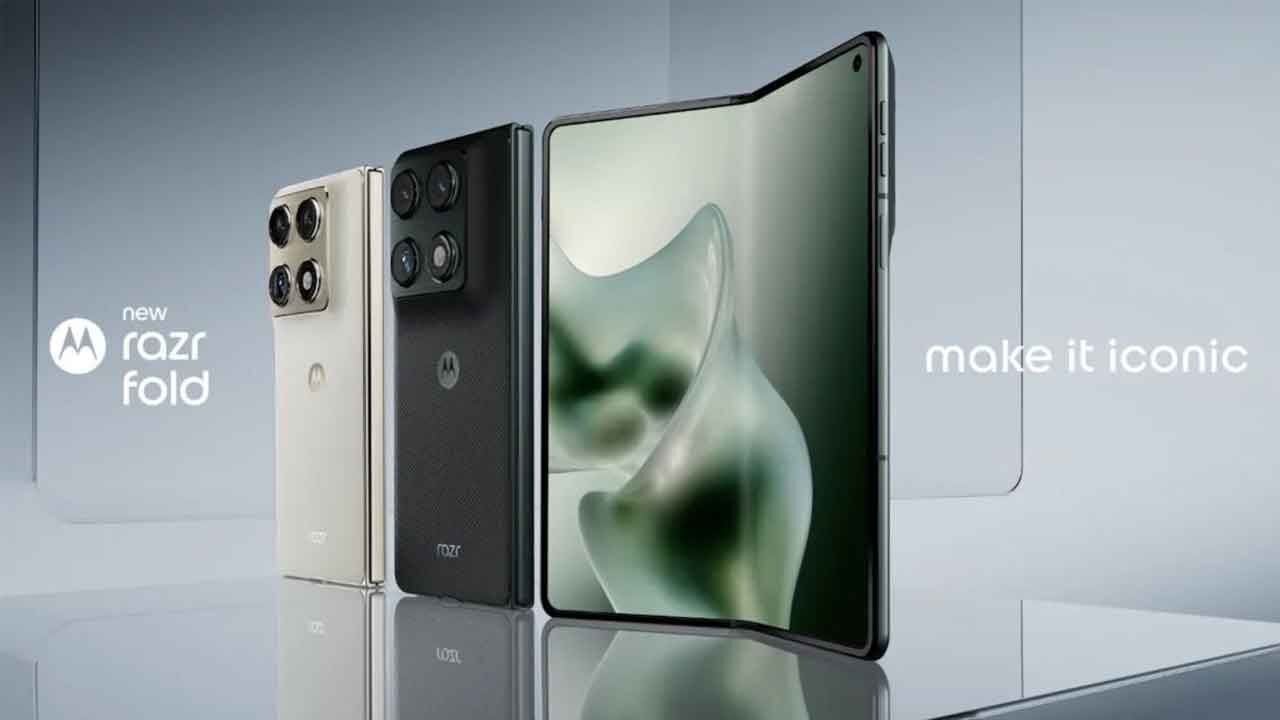
The tablet’s combination of an affordable price and Motorola’s Smart Connect ecosystem hints at a strategy: keep users inside a cross‑device workflow. If you’re tracking Motorola’s hardware roadmap, this fits alongside its recent foldable ambitions and broader product push — see past coverage of Motorola’s Razr Fold for context on how the company is juggling niche flagships and mass‑market devices.
Where this fits in the market
Motorola’s gambit is straightforward: give the midrange a rare, modern stylus experience and a cheap companion tablet to lock in creative workflows. That makes the moto g stylus attractive for people who actually sketch, annotate, or prefer a physical pen over fingertip gestures. But the $100 price increase from last year’s model raises questions. If you’re indifferent to the new stylus features, last year’s discounted device or rivals with longer software support might be smarter buys.
Motorola has clearly engineered the phone to stand out on features — the active pen, high‑brightness AMOLED, and fast charging are real selling points. Whether customers buy in will depend on how much they value those extras versus raw storage, software longevity, and the price/feature tradeoffs offered by competitors.
If hands‑on sketching and cross‑device note workflows matter to you, Motorola just made a compelling case. If updates and long‑term storage are your priorities, take a close look at the competition before you commit.