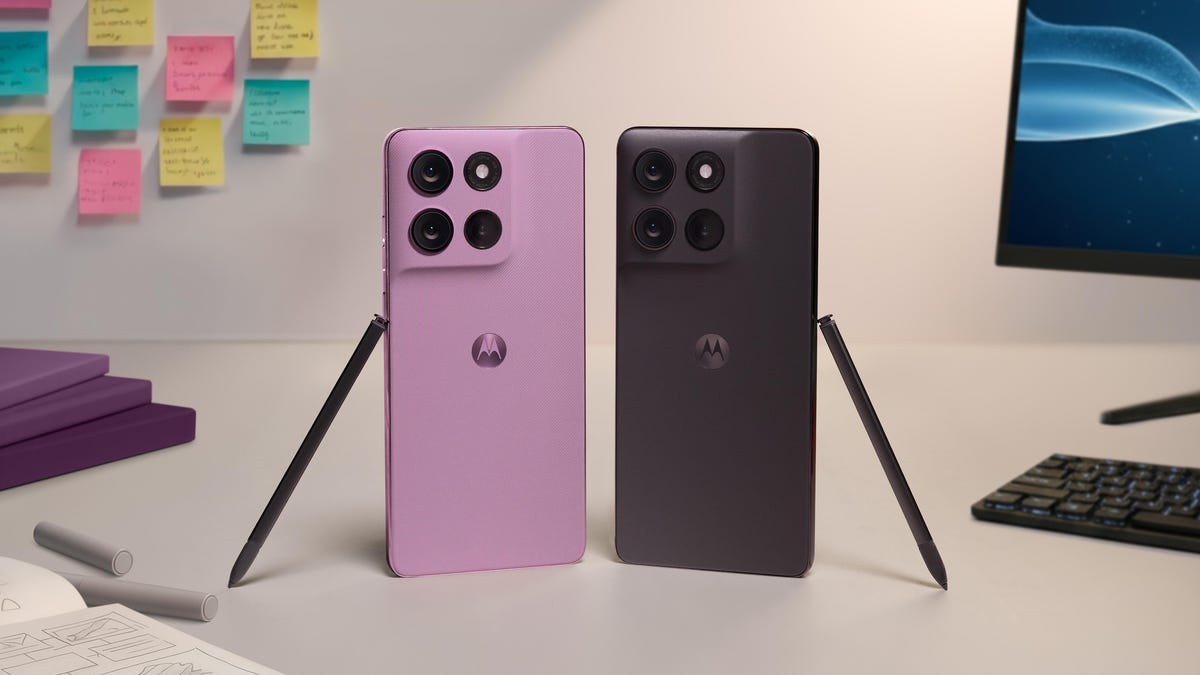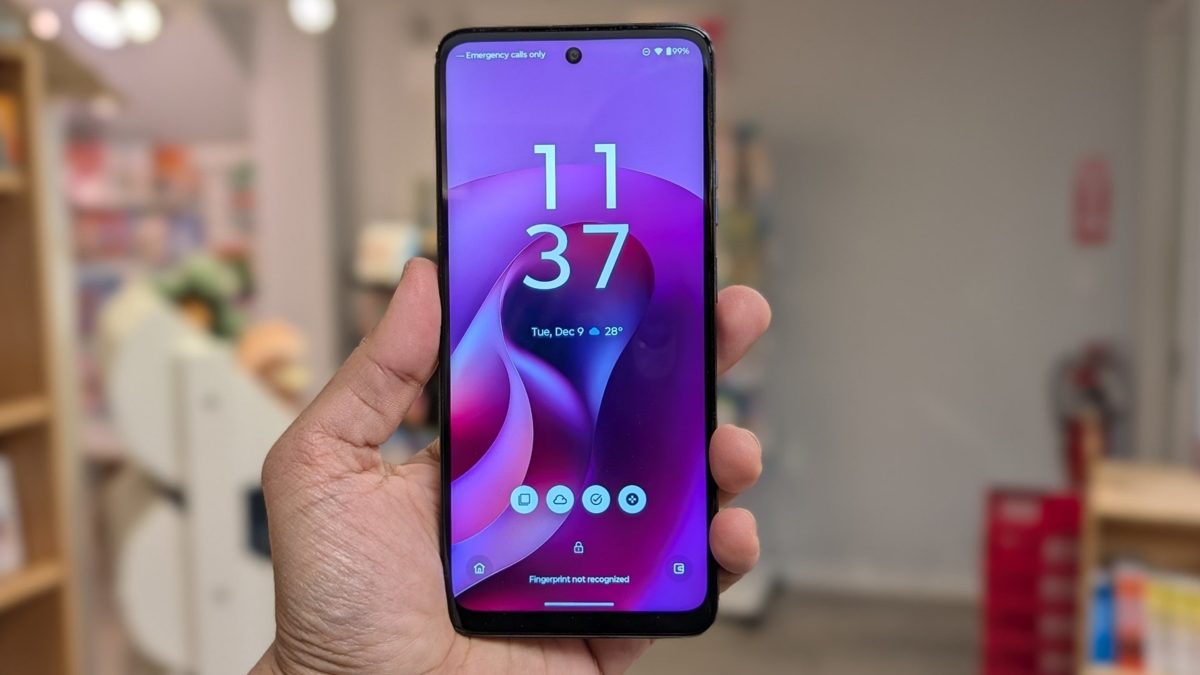
Motorola has quietly pushed up the prices on several of its most recognizable budget phones — and not by a few dollars. Over the past week the company raised US list prices for the Moto G Play, Moto G, and Moto G Power, while the newly announced Moto G Stylus landed at a noticeably higher MSRP than last year’s model.
The changes are blunt and immediate: the Moto G Play moved from about $179.99 to $249.99, the standard Moto G jumped from roughly $199.99 to $299.99, and the Moto G Power climbed from $299.99 to $399.99. The 2026 Moto G Stylus debuted at $499.99, about $100 more than its predecessor. That’s a 38 percent bump for the Play, 50 percent for the G, and 33 percent for the Power — steep moves for phones that have anchored Motorola’s low‑cost lineup for years.
Why the sticker shock—and why now
Motorola offered a short explanation when pressed: pricing “is always subject to change based on market conditions,” and the company said it aims to keep competitive bundles and promos available to preserve value for buyers. That’s the official line. The more persuasive clue sits on the supply side: a global memory shortage.
AI projects and data center expansion have dramatically increased demand for DRAM and NAND storage. Producers are prioritizing large enterprise contracts and custom modules, leaving tighter supplies — and higher prices — for the commodity memory found in phones, consoles, SD cards and PCs. Analysts cited in recent reporting expect pressure on memory markets to last well into 2027, which helps explain why margins on already thin-margin budget phones are being reworked mid-cycle.
It’s not just Motorola feeling the squeeze. The broader smartphone ecosystem has shown early signs of strain: some makers have held prices steady despite meager upgrades, others are scaling back, and a few smaller players have paused or exited smartphone efforts altogether. For consumers, that means choices are getting sharper: keep an older device, pay more for the same overall specs, or look elsewhere.
Little obvious upgrade, big price change
Part of the puzzle making buyers grumpy: Motorola’s new Moto G Stylus doesn’t bring a dramatic spec revolution to justify a $100 increase. The phone adds modest battery and stylus tweaks, but display and memory appear largely unchanged from the prior model. When the hardware delta is small, abrupt price movement looks like a market‑driven inflation rather than feature‑driven value.
That contrast is what makes this moment notable. The Moto G series helped prove in 2013 that a $200 phone could be useful and not simply compromise. That role — the dependable budget option — is under pressure now. If component costs stay elevated, we may see fewer genuinely cheap, fully functional phones in the years ahead.
Where to buy and what to watch
If you were planning to pick up one of these Moto G phones now, there’s a wrinkle: some retailers still list the older, lower prices, so you might find the previous MSRP for a short time while inventory clears. Motorola’s online pricing is the new baseline, though, and carriers and retailers will decide whether to absorb, subsidize, or pass on the increases.
For buyers hunting for alternatives in the budget space, Google’s Pixel 10a earlier this year showed a route: minimal upgrades, competitive pricing, and an emphasis on software value rather than component arms races. That product approach may look more attractive as hardware costs climb — useful context if you’re shopping around.
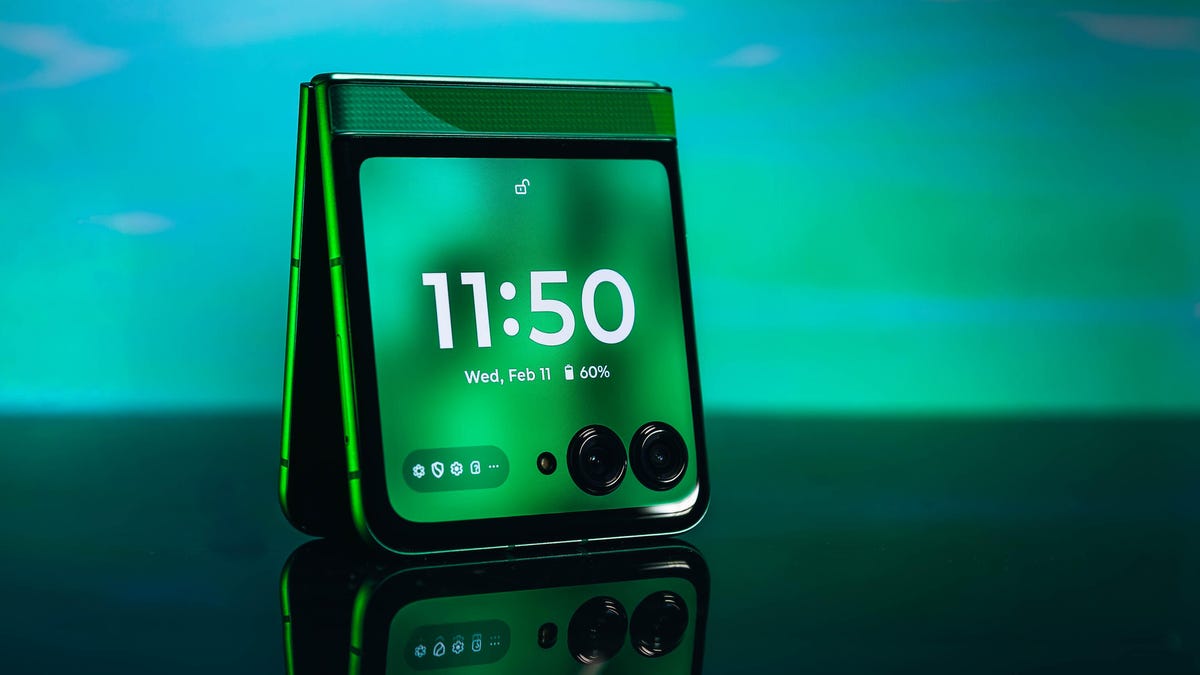
If you want to keep an eye on Motorola’s product roadmap while thinking about value, the company’s foldable ambitions are still moving forward; the Razr foldables remain a different, higher‑end conversation compared with the G family and worth a look for those who want something distinct from the budget squeeze. [/news/motorola-razr-fold-preorders-specs]
There’s a bigger industry test here. If memory prices remain high, expect more quiet price changes, a shuffle in who competes in which segments, and new marketing tactics — bundles, carrier deals, or renamed SKUs — to try to keep shoppers from balking at raw list prices. For now, buyers who relied on Motorola as the safe, affordable option will have to decide whether the brand still offers that bargain or whether it’s time to hunt elsewhere.