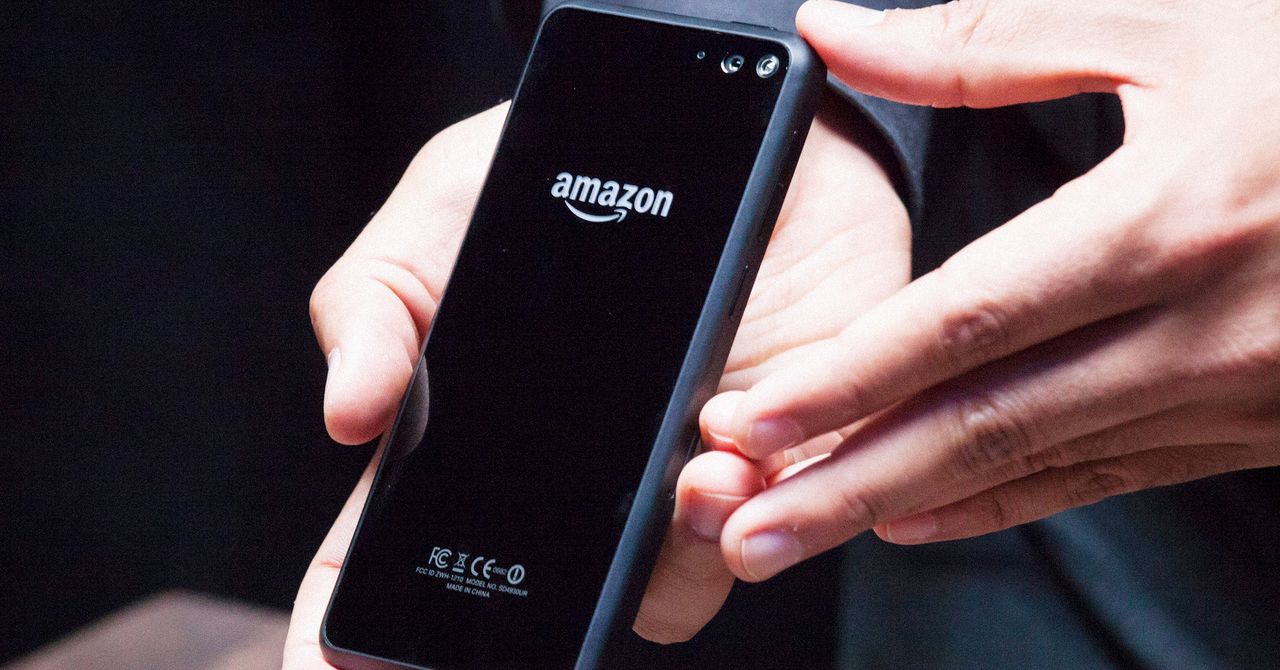
Amazon is quietly trying a stunt it once flubbed: build its own phone. Internally codenamed “Transformer,” the project aims to lace mobile hardware with the company’s Alexa assistant and make Amazon’s services — shopping, Prime Video, Prime Music — feel like a native part of your day, according to people briefed on the effort.
The initiative is still early and shadowy. Executives could pull the plug if strategy or budgets shift. But the outline that’s emerged matters because it shows how a retail and cloud giant thinks about owning more of the interface between people and technology.
What the phone might be
So far, the Transformer sounds less like a carbon-copy iPhone and more like a mobile hub for Amazon’s ecosystem. Alexa is expected to be central to the experience, though not necessarily the phone’s entire operating system. The device is being developed by Amazon’s devices and services arm and has roots in a special projects team called ZeroOne, which is led by veteran product designer J Allard.
AI is a headline feature. People familiar with the project say Amazon is experimenting with ways AI could reduce reliance on traditional app stores — letting you access services and tasks without downloading, registering, and managing a long list of apps. That’s an ambitious idea; it echoes broader industry moves to rethink how software is delivered on phones (see how app distribution models are evolving in the Google Play buy-once experiment).
Amazon has reportedly discussed multiple hardware approaches. One would be a conventional smartphone; another, surprisingly, is a deliberately pared-back “dumbphone” that mimics minimalist handsets like the Light Phone. The thinking: a secondary device that reduces distraction while keeping Amazon services within reach. It’s an unusual angle — bank on being the practical second screen rather than the primary device.
Why Amazon thinks it can try again
There’s a clear line from founder Jeff Bezos’ long-standing dream of a voice-first assistant to this project. A phone in Amazon’s hands could fuse location, app activity and purchase history in ways a smart speaker cannot. That data advantage could translate into smoother buying flows and more subtle personalization.
But building a phone that nudges you toward Amazon is trickier now than it was in 2014. The original Fire Phone tied users into a closed ecosystem and lacked the hardware and software polish of rivals; it was pulled from shelves within a year. This time Amazon appears to be aiming for a subtler integration — push Amazon services without making the handset feel like a one-trick device.
Technical and market hurdles
There are several big questions that haven’t been answered publicly: the operating system choice, carrier partnerships, handset pricing, and whether Amazon will allow Google services or build its own app experience. Even with Alexa Plus and other in-house AI work, matching Apple and Google on platform depth is a tall order.
The broader market isn’t exactly booming either. Analysts have flagged a contraction in smartphone sales in 2026, which raises the stakes for any newcomer. Hardware is expensive to develop and thin-margin to sell; Amazon’s bet would need a clear monetization path beyond hardware units — likely deeper ties into Prime subscriptions and commerce.
Lessons from 2014, and what’s different now
The Fire Phone failed partly because it asked customers to choose Amazon’s platform over well-established ecosystems without offering a compelling replacement. Today, AI and voice are far more capable. Users also accept assistant-driven interactions more readily than a decade ago. Still, user expectations have risen; a phone must be excellent in day-to-day performance, camera, battery life and app compatibility.
Amazon seems aware of that. Reports suggest the company doesn’t intend to make Alexa the entire software stack — which could avoid repeating the Fire Phone’s “walled garden” mistake. That said, any move to bypass traditional app stores raises regulatory and compatibility questions similar to those other platform shifts have triggered.
What to watch for next
Expect the usual slow leak-drip of details: internal prototypes, hints from suppliers, and possibly a staggered launch or a secondary-device positioning. Amazon’s approach — blending AI, voice, and commerce — could change how services tie into hardware, but whether it rewrites the smartphone playbook is another thing entirely.
Meanwhile, developments across mobile software are worth tracking in parallel; changes in OS-level AI and personal assistant features (like those in recent iOS updates) show how quickly the platform landscape is shifting and what users may come to expect from a device’s intelligence and personalization [(/news/ios-26-features-ai-personal-voice-updates)].
If Amazon does ship Transformer, it won’t just be selling hardware. It will be selling a different way of interacting with the things people buy, watch, and listen to — and attempting to make that way ubiquitous. That ambition explains why the company would risk revisiting a category it once exited in embarrassment. Whether that bet pays off depends on execution, timing, and how willing people are to let shopping and AI live closer to the center of their phones.