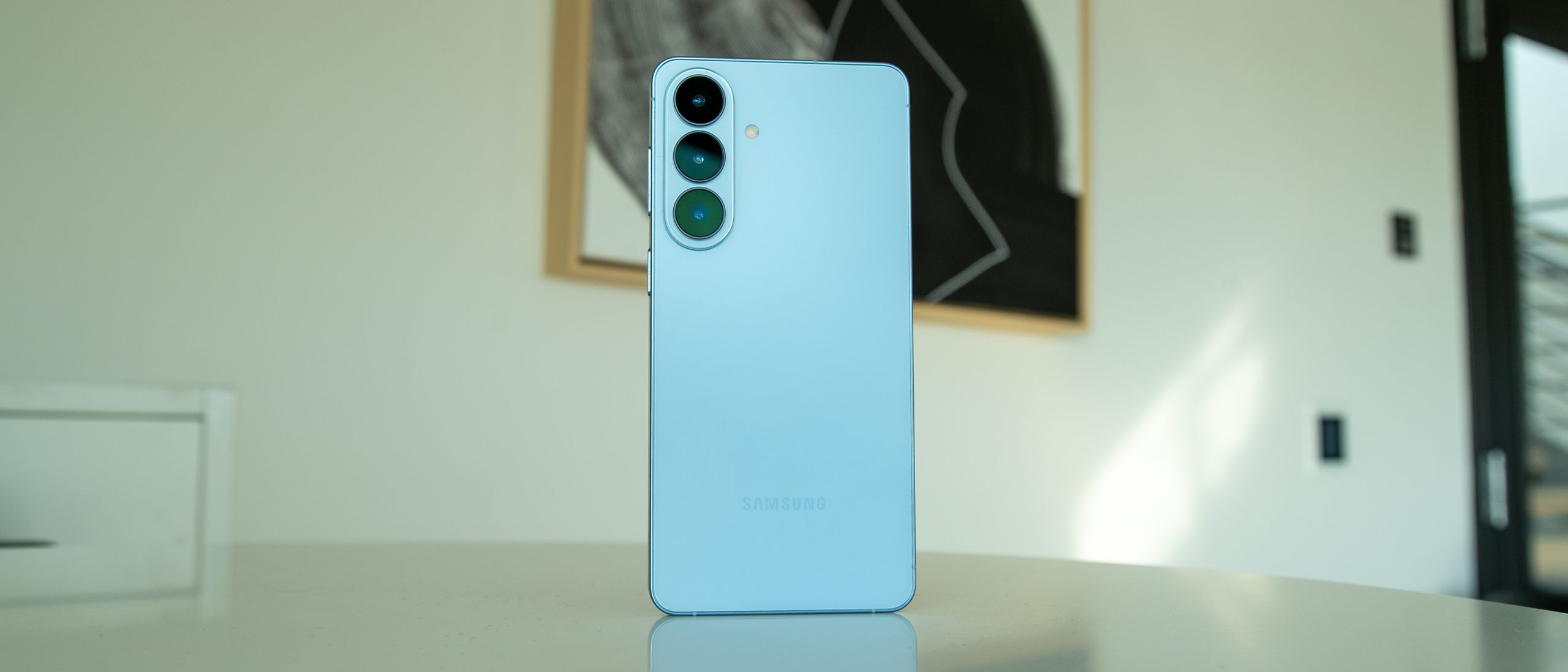
Samsung landed some bold moves with the Galaxy S26 family this year — sharper cameras, faster silicon and a privacy-minded screen — but early adopters are finding the handset experience less tidy than the spec sheet suggests.
Privacy by design, fuzziness by accident
The S26 Ultra's headline trick is its built-in Privacy Display: a software-driven mode that narrows viewing angles so strangers on a bus can't glance at your messages. It's novel and useful when it works. But a growing chorus of users and reviewers report side effects: text that looks softer, subtle dimming, and occasional eye discomfort even when the Privacy Display is off. Samsung has acknowledged the trade-offs while downplaying the impact, saying the feature is designed for normal usage and that angle-dependent variation is expected. Still, for people sensitive to display artifacts, that reassurance doesn't erase the annoyance.
If you want a deeper read on Samsung's own words on that feature, there's more context in our linked coverage of the privacy screen here.
What else is out of sync with expectations
Across outlets and user reports a handful of problems keep cropping up:
- Display problems: Beyond the privacy mode oddities, some S26 Ultra owners see fuzzy text, unexpected dimming or headaches after extended use. A few quick tweaks — toggling Privacy Display, enabling Eye Comfort Shield, or turning on Extra Dim in Accessibility — help some people, but they're workarounds rather than fixes.
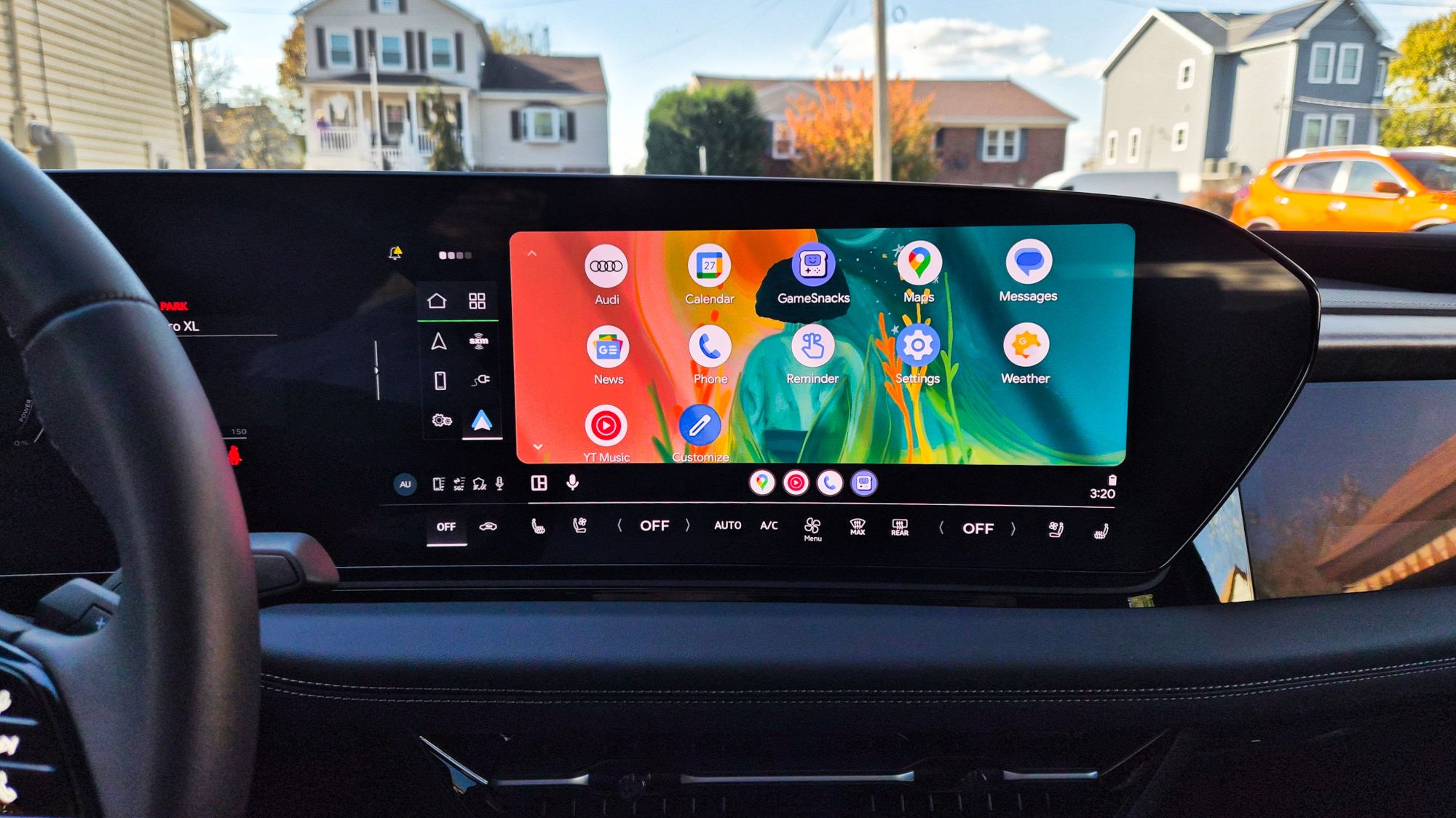
- Android Auto woes: Wireless Android Auto is flaky for a subset of drivers. Usual troubleshooting (use a good cable, clear Android Auto app cache, set up a wired connection first) helps sometimes, but numerous complaints indicate this may be a platform-level bug affecting multiple brands. For background on the recent car‑link problems, see related coverage of the Android Auto issue here.
- Overheating: A handful of owners report higher-than-expected temperatures under sustained gaming or heavy loads. Modern flagship SoCs can run warm; firmware tweaks usually tame the worst spikes. If a device feels dangerously hot, Samsung support and warranty replacement are the sensible next steps.
- Wireless charging not hitting spec: Samsung claims up to 25W Qi charging, yet many third‑party and even Samsung chargers struggle to reach that number. In practice phones often fall back to 10–15W. If top speeds matter to you, plan on testing chargers or waiting for clearer guidance from Samsung.
- Camera condensation: Perhaps the most alarming of the lot — some S26 Ultra units have developed internal fogging inside the camera housing. That suggests a sealing or assembly fault and usually needs a service center exchange; this isn't something you can fix in settings.
- Software smoothing for Privacy Display. If the feature causes visible haloing or color shifts at normal viewing angles, further refining the algorithm or offering a lower‑intensity privacy mode could reduce complaints.
- A clear wireless‑charging compatibility chart. Right now owners are left experimenting with chargers and cables; a simple vendor-tested list would cut down confusion.
- A fast service response for camera condensation. Wet optics are a reliability problem, and exchanges or repairs should be prioritized for affected units.
- Coordinate with Google on Android Auto. If the problem stems from platform changes or the Android Auto app, a joint patch would be the quickest route to stability.
Where the S26 sits in the lineup
The S26 Ultra is, on paper, a refinement: slimmer, slightly lighter, and with thoughtful camera and charging improvements compared with the S25 Ultra. Reviewers found its cameras a touch better in low light and commended hardware and software polishing. But the S25 remains a very capable option — and for buyers who already own an S25 Ultra, the hardware delta may not justify an upgrade.
Meanwhile, the Galaxy S26 Plus shows the dilemma Samsung faces with middle models: One reviewer called it a "good phone with a major problem" — namely, weak differentiation from its siblings and a higher starting price that nudges shoppers toward the Ultra. The Plus gets the same responsive One UI and AI features as the rest of the line, but without the headline Ultra hardware improvements, it struggles to justify its place.
What Samsung should focus on next
Samsung has a shortlist of practical fixes available now and longer-term improvements it should consider:
For someone thinking of buying one
If you value the absolute best camera hardware and the privacy screen intrigues you, the S26 Ultra is a compelling engineering package — provided you accept some early‑generation quirks. If you already own an S25 Ultra, the incremental benefits may not be worth the cost. And if you prefer a simpler, less expensive flagship, the Plus delivers strong performance and battery life but with fewer standout features.
Samsung continues to push the envelope — from privacy innovations to on‑device AI — but some of those advances arrive before the ecosystem around them has caught up. Expect steady firmware updates in the coming weeks; how quickly Samsung irons out the display, charging and car‑connect issues will determine whether the S26 family is remembered for smart ideas or for rough edges.
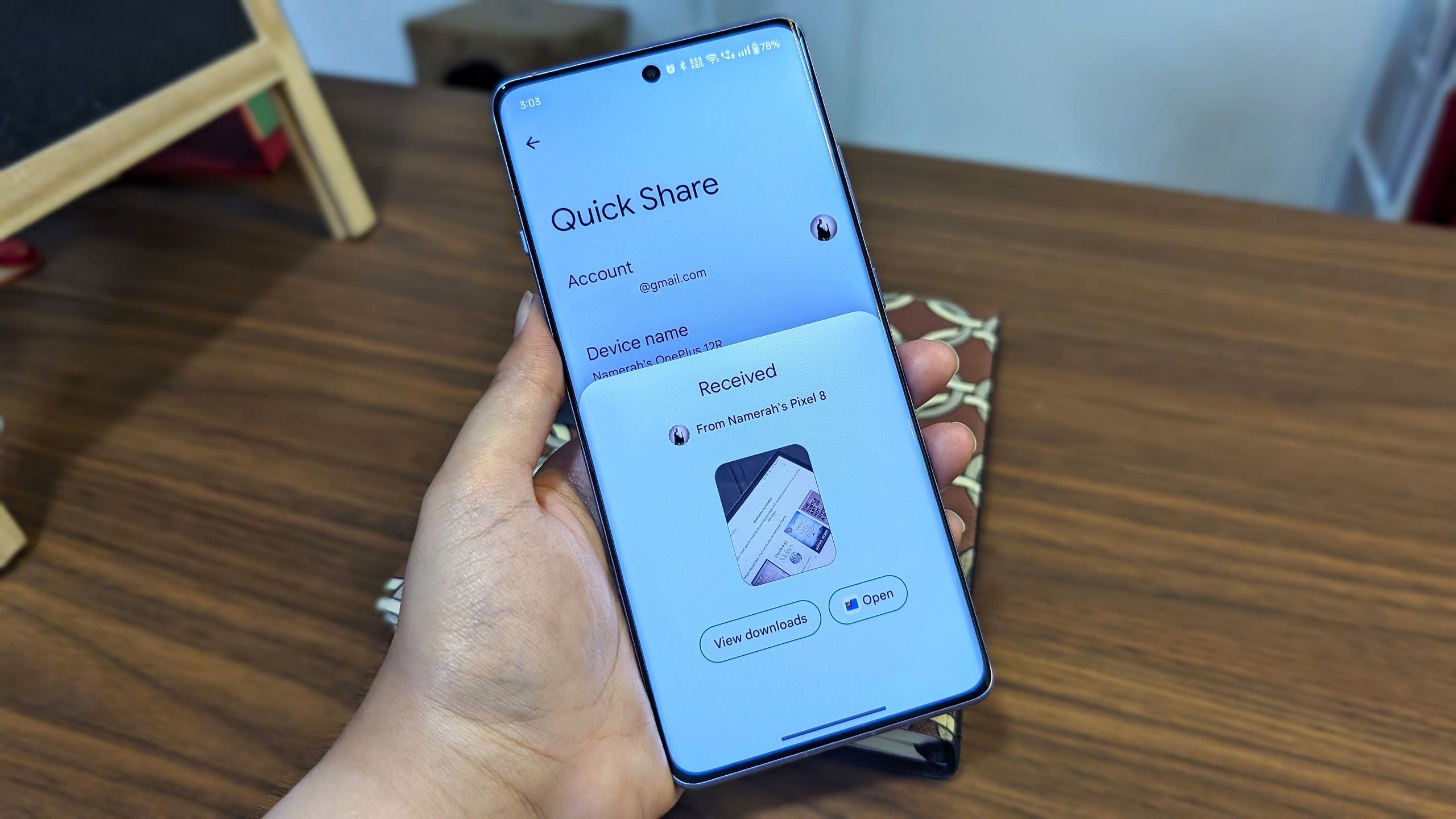
Also worth noting: recent S26 software updates have added Quick Share interoperability with iPhones, bringing an AirDrop‑like convenience to Samsung's ecosystem — another example of Samsung iterating post‑launch to close feature gaps. See the AirDrop/Quick Share item for more context here.