Remember Android Beam? The feature that let you bump two phones together and hope Bluetooth did the rest? It turns out its spirit is still alive — only faster, less flaky, and about to get a proper comeback.
A tap that actually means something
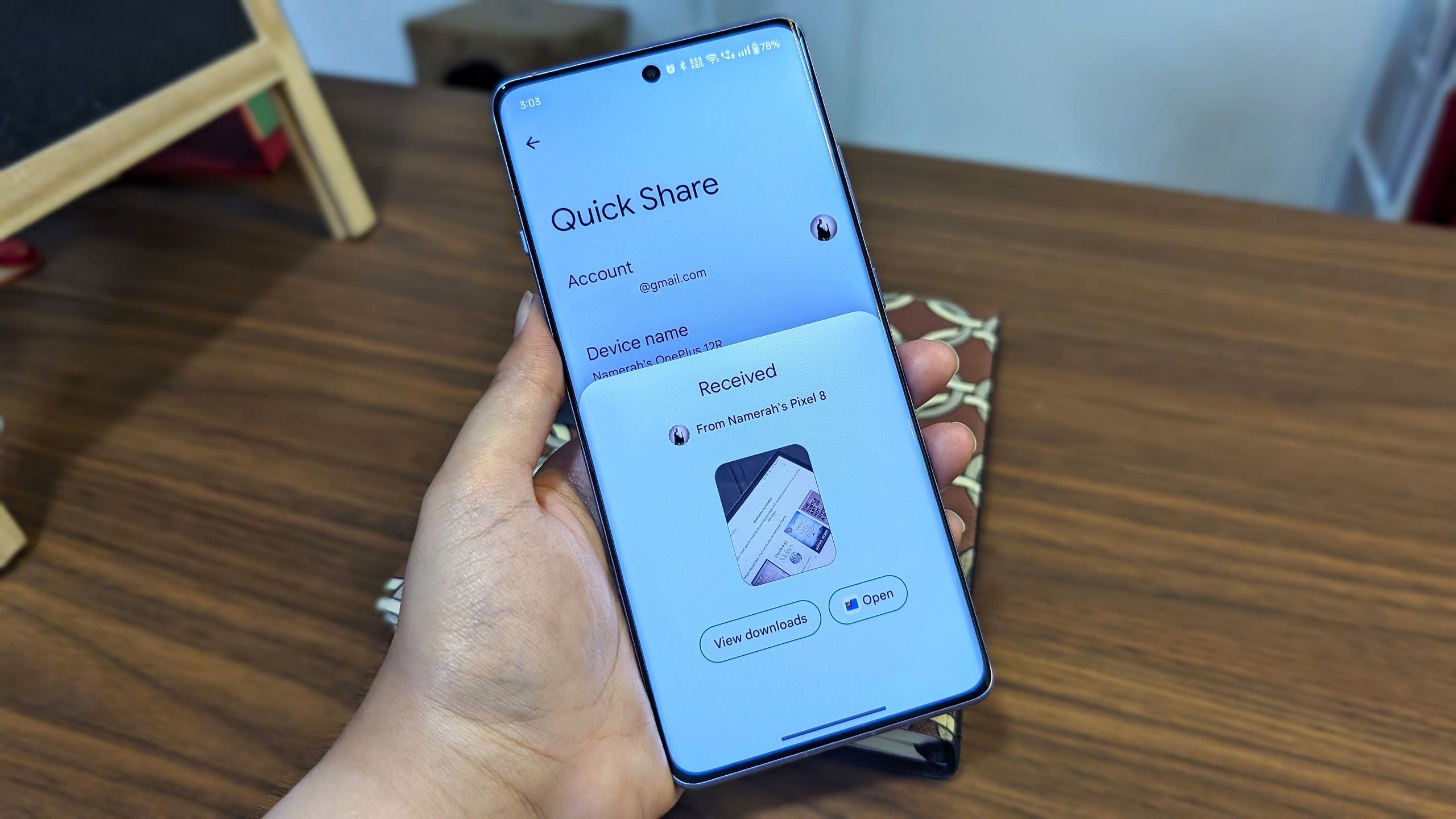
Leaks from Samsung’s One UI 9, teardown strings in Google Play Services, and even snippets in Android 17 beta builds point to a coordinated effort: a tap-to-share gesture that uses NFC to kick off transfers, while Quick Share (Google’s cross‑device transfer service) handles the heavy lifting. Samsung’s build outright labels the feature “Tap to share” and describes it as, “Just hold the top of your phone close to the device, and the files will be sent.” Meanwhile, Android 17 internals reference a system service called “TapToShare,” suggesting this won’t be a Samsung-only toy.
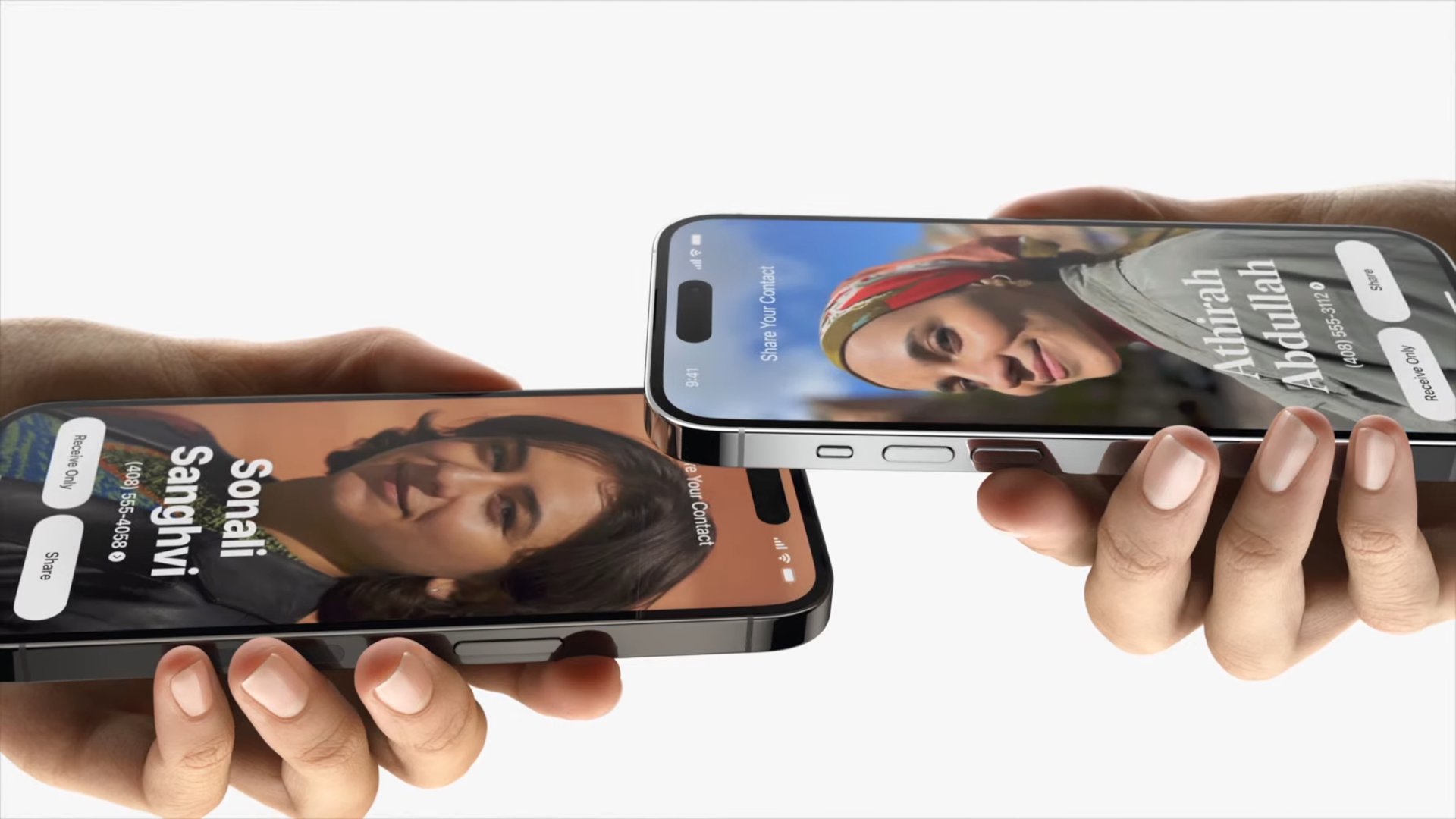
You can also trace the idea back to Google Play Services’ earlier work on contact-exchange gestures (think Apple’s NameDrop). Those strings were originally contact‑focused, but the new evidence ties a gesture-triggered exchange — dubbed Gesture Exchange in some code — to Quick Share’s broader file-transfer workflow.
Not exactly new, but much improved
This isn’t a reinvention so much as a polish. Early approaches like Bump or the original Android Beam relied on Bluetooth and were painfully slow for large files. Quick Share already uses Wi‑Fi Direct for actual transfers, so NFC would only act as the trigger — a fast handshake to start a speedy transfer over Wi‑Fi. That solves the old problem: tapping to initiate the process, then handing off to a fast transport for the data.
In practice there’s already a semi-hidden Quick Share behaviour: if two Android phones are trying to share and you tap their backs together, some devices can kick off a transfer the old Beam way. It worked inconsistently in our reporters’ tests, especially across different manufacturers. The upcoming system-level work would make that gesture reliable and visible, rather than a quirky leftover.
Why it matters (and who gets it first)
Bringing NFC-triggered transfers into Quick Share would make Android feel a lot more like AirDrop in everyday use: less fiddling with visibility settings, fewer menus, and an intuitive gesture. Apple’s timeline shows how valuable this is — NameDrop and related gestures made casual sharing painless for iPhone users, and Google appears to be taking notes.
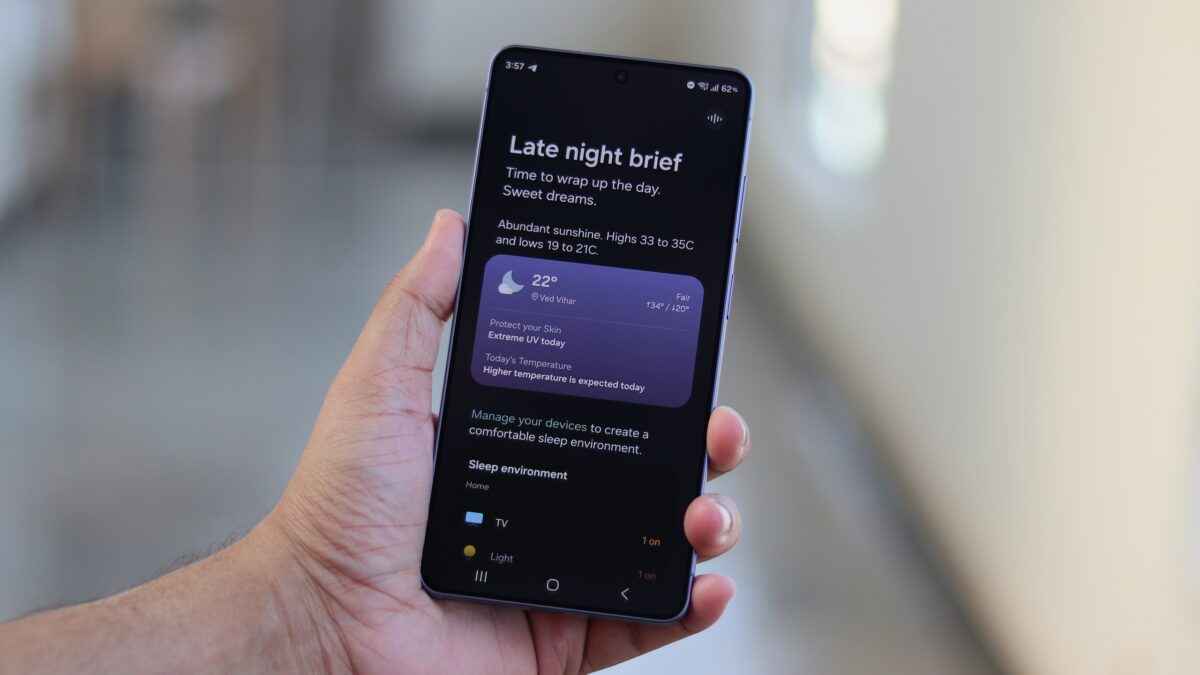
Expect Samsung to be among the first to ship it, given the explicit One UI 9 strings and the company’s history of collaborating with Google on Quick Share work. That fits the pattern we saw when Samsung added AirDrop compatibility to the Galaxy S26 via Quick Share. Wider Android availability will likely follow if Google folds TapToShare into Android 17 and Google Play Services.
If you want to poke around the platform side while you wait, Android 17’s beta notes already hint at features that make one‑tap sharing more practical; the platform improvements in Android 17 Beta 3 (/news/android-17-beta-3-features-bubbles-charging) are part of that broader push. And for folks who care how this will play with Samsung phones, there’s context in the recent coverage about [Galaxy S26 AirDrop compatibility (/news/galaxy-s26-airdrop-quick-share)].
A practical caveat
NFC would be the trigger; Quick Share would be the engine. That means both phones need compatible software stacks — NFC handshake support plus the Quick Share implementation that hands off to Wi‑Fi Direct. Early adopters are likely to see better results when both devices come from the same ecosystem (Pixels with Pixels, Samsungs with Samsungs) until the cross‑vendor plumbing matures.
So don’t expect flawless universal tap-to-share the moment Android 17 lands, but do expect a far more usable and intentional gesture than the relics we’ve been stumbling over for years.
A small gesture, potentially big payoff: the humble tap could finally make sharing feel effortless on Android again.